
START A DENTAL PRACTICE
Start a dental practice in Australia
HCPA helps dental practice owners assess the opportunity, plan the clinic and work through the registrations, premises, workforce planning and systems needed to open.

Opening a dental clinic involves more than fitting out treatment rooms and employing dentists. Decisions about location, chair capacity, service mix and ownership model affect the investment required and how easily the practice can build a sustainable patient base.
Still deciding whether to start a dental practice?
Dental serves both ongoing healthcare needs and elective demand, giving practices opportunities across preventive, restorative and cosmetic services. Clear aligners, whitening and other aesthetic treatments can broaden the service mix, while regional and outer-suburban areas may present different opportunities from highly competitive metropolitan markets.
The commercial question is not simply whether there is demand for dentistry. You need to understand how many practices already serve the area, what patients they attract, which services are underrepresented and whether the proposed clinic can support its setup and staffing costs.
HCPA can help you compare locations, competitors, patient demographics, service mix and likely investment before you commit to the practice.
Who is suited to starting a dental practice?
What do you need to start a dental practice?
There is no single national “dental clinic licence”. The setup pathway combines business and premises requirements with practitioner registration, digital health and claiming systems, and state or territory requirements that depend on what the clinic provides.
1. Choose the right location
Start with the market rather than the fit-out.
Review local competition, patient demographics, nearby healthcare services and how established practices in the catchment are positioned. Then decide how many chairs you intend to operate, which services will be offered initially and how heavily the clinic will depend on the principal dentist.
A one-chair general practice has a very different investment and staffing model from a multi-chair clinic designed around associates, hygiene or oral health therapy and higher-value treatment.
HCPA can help test the location and service model before the lease and capital plan are finalised.
2. Plan the fit-out
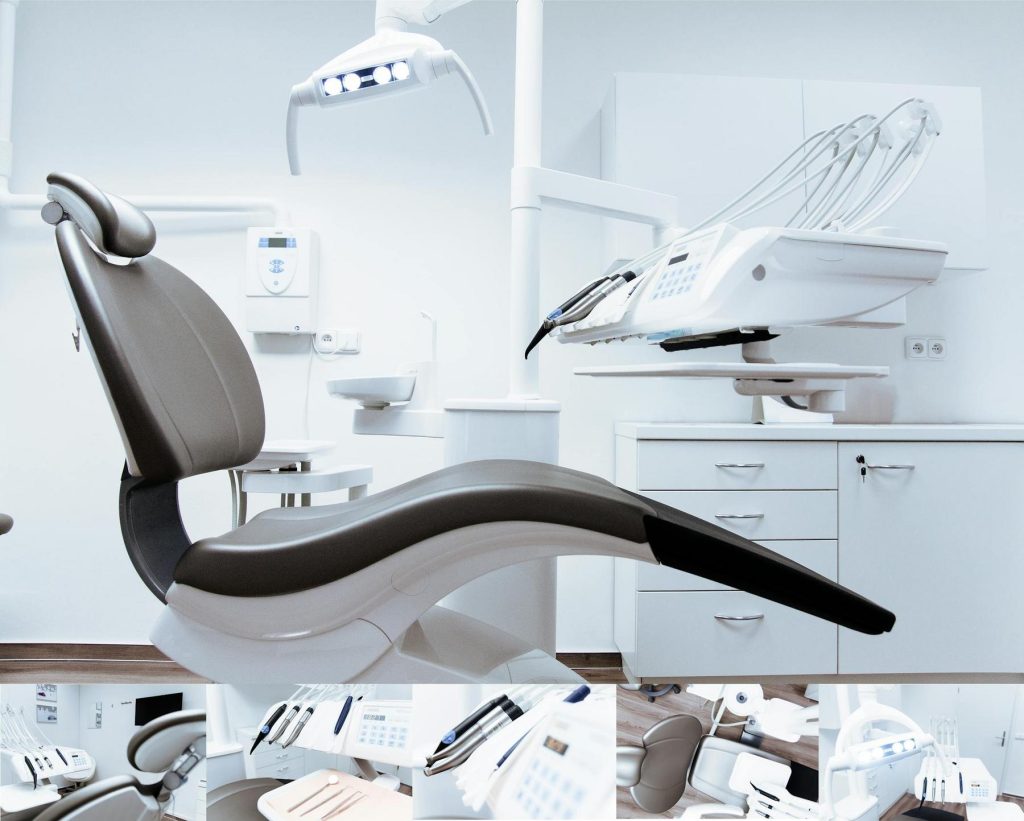
Dental practices require specialised clinical infrastructure, so premises selection should consider more than rent and visibility.
Chair layout, sterilisation workflow, imaging, plant and equipment, storage, accessibility and future chair capacity can all affect whether a site is suitable. Building and council requirements will depend on the premises and jurisdiction, while radiation equipment may trigger additional state or territory licensing requirements.
Technology is another significant budget item. Practice management software, imaging, scanners, payment and claiming systems, networking and other clinical equipment should be planned together rather than added individually during the fit-out.
3. Complete registrations
Every dental practitioner providing regulated dental care must hold appropriate registration and work within their scope of practice under the Dental Board of Australia framework. The Dental Board’s scope of practice standard requires dental practitioners to provide treatment only where they have the relevant education, training and competence.
The practice may also need digital health and claiming arrangements. For example, a healthcare organisation can register for a Healthcare Provider Identifier-Organisation (HPI-O) through the Healthcare Identifiers Service, with PRODA used to access HPOS.
Where the practice intends to provide eligible services under the Child Dental Benefits Schedule (CDBS), provider and claiming arrangements also need to be established before those services are billed.
HCPA can map the registrations relevant to the proposed clinic so they are completed in the right sequence.
4. Build the team and systems
A dental clinic needs the people and systems to operate safely from its first patient.
This includes the clinical team, reception and practice-management responsibilities, patient records, consent, billing, complaints processes, workplace procedures and infection prevention and control.
Staffing costs are commonly underestimated, particularly where the owner expects to recruit experienced team members at minimum award rates. The clinic should also avoid building a model that relies almost entirely on the principal dentist generating the revenue.
Infection control needs to be built into the premises and workflow from the outset. The Australian Commission on Safety and Quality in Health Care provides specific infection prevention and control guidance for dental practices, including how practices can implement appropriate systems in primary care.
Why work with HCPA when starting a dental practice?
The expensive decisions in a dental startup are often made before the clinic opens.
A site that does not suit the intended chair capacity, an underestimated equipment budget or a workforce model that depends too heavily on the owner can be difficult to correct once the fit-out is underway.
HCPA brings dental operational experience into the setup process, helping you coordinate the location, business model, registrations, policies and launch requirements. Where external providers are needed for recruitment, websites, equipment or other specialist work, HCPA can connect you with suitable partners while coordinating the wider project.
Backed by HCPA’s Compliance Guarantee
Eligible HCPA registration services are backed by the Compliance Guarantee. If approval is not achieved due to HCPA’s compliance work following three attempts, HCPA provides a full refund and you keep the work completed.
How HCPA helps you start a dental practice
Assess the opportunity
Review the proposed location, competition, patient market, service mix and commercial model before major setup commitments are made.
Map the requirements
Identify the business, practitioner, premises, digital health and jurisdiction-specific requirements relevant to the proposed dental clinic.
Prepare the practice
Coordinate registrations, policies, systems, supplier requirements and other setup work while the premises and clinical team are being prepared.
Get ready to open
Review the practice against its planned operating model and address outstanding documentation, systems or launch requirements before patients are booked.
Our experience helping businesses enter regulated markets
businesses supported
industry consultants
first-time approval rate
client revenue generated
HCPA’s dental support draws on practical industry experience across dental operations, practice management, workforce planning, supplier relationships and clinic setup.
That experience helps us look beyond registrations alone to the decisions that affect whether a new practice can operate effectively, from chair capacity and staffing through to systems, equipment and patient flow.
For new dental practice owners, HCPA can help assess the model, coordinate the setup requirements and put the operational foundations in place to move towards opening with confidence.
Frequently asked questions about starting a dental practice
How do I start and register a dental practice in Australia?
Start by defining the business structure, location and services the practice will provide.
From there, the setup usually involves premises and building requirements, appropriately registered practitioners, insurance, any applicable radiation or jurisdictional licences, digital health and claiming arrangements, and the policies and systems required to operate the clinic.
There is no single national dental-practice registration that replaces these different requirements.
Is starting a dental practice still a worthwhile opportunity?
Potentially, but location and positioning matter.
Dentistry combines recurring healthcare demand with elective services such as whitening, cosmetic dentistry and clear aligners. At the same time, many metropolitan markets have strong competition from established and corporate groups.
A new practice therefore needs a clear reason for patients to choose it and a commercial model that reflects the local market rather than assuming patients will arrive once the doors open.
How much does it cost to start a dental practice?
The investment varies considerably with the premises, number of chairs, equipment, technology and fit-out.
A lean one-chair setup may begin around $500,000 but costs rise quickly as additional chairs, imaging, technology, fit-out and staffing are added. Staffing and technology are two areas prospective owners commonly underestimate.
A detailed budget should be built around the actual clinic model rather than relying on a generic startup figure.
Can someone who is not a dentist own a dental practice?
A dental business can involve non-clinical owners or investors, but ownership of the business does not allow an unregistered person to provide restricted dental care.
The clinicians treating patients must hold the appropriate registration and work within their professional scope.
Can an overseas dentist open a dental practice in Australia?
An overseas-qualified dentist may be involved in establishing or owning a dental business, but practising clinically is a separate issue.
To provide dental treatment in Australia, they must hold the appropriate Australian registration. Establishing the business can therefore begin while the individual is still working through their practitioner-registration pathway, provided clinical care is delivered by appropriately registered practitioners.
Should I start with one dental chair or several?
That depends on capital, expected demand and the operating model.
A single-chair clinic reduces the initial fit-out requirement but can restrict appointment capacity and make the business more dependent on one clinician. Additional chairs create greater capacity but require more upfront investment and a clear plan for how they will be staffed and utilised.
The right decision should come from the demand forecast and financial model rather than simply maximising the number of chairs that fit in the premises.
Does a private dental practice need accreditation?
Not every private dental practice is required to be accredited. Depending on the service and contractual arrangements, accreditation may be voluntary.
Private dental practices that choose accreditation can use the National Safety and Quality Primary and Community Healthcare Standards, while some healthcare services may have accreditation requirements arising from funding, licensing or other arrangements.
HCPA can help determine whether accreditation is relevant to the proposed practice and prepare the clinic if it chooses or needs to pursue it.
What costs do people commonly underestimate when starting a dental practice?
Staffing and technology are two of the most commonly underestimated costs.
Experienced dental staff may cost more than award rates, particularly where the clinic needs team members capable of taking responsibility for day-to-day operations. Technology can also add up quickly once practice management software, imaging, scanners, claiming systems, networking and clinical equipment are considered together.
Allowing realistic contingencies for both areas can reduce pressure on working capital after the clinic opens.
Should a new dental practice depend on the principal dentist for most of its revenue?
Ideally, the operating model should be designed so the business can become less dependent on one clinician over time.
A clinic where the owner is both the main provider and the person responsible for managing the business can quickly become constrained by their available clinical hours.
When planning the practice, consider how associates, hygienists, oral health therapists and support staff could contribute to capacity and revenue as demand grows. This can influence decisions about chair numbers, recruitment and the size of the premises from the outset.
Is a metropolitan or regional location better for a new dental practice?
Neither is automatically better.
Metropolitan and high-population areas may offer larger patient pools, but they can also have stronger competition from established practices and corporate dental groups. Regional and outer-suburban areas may have fewer competitors and unmet patient demand, but workforce availability and local demographics still need to be assessed carefully.
The best location is one where patient demand, competition, staffing and the proposed service mix support the business model.
Related dental resources
Maintain dental practice compliance
Need help with accreditation, infection control or an Ahpra concern?
Grow your dental practice
Looking to improve performance or expand the clinic?
Strengthen workforce capacity, service performance and business systems so the practice can grow beyond relying on the owner for day-to-day clinical delivery.
Start growingWhat Our Clients Say

Amazing service and incredibly friendly, helpful staff. We engaged HCPA for our NDIS registration, and they guided us step by step through the entire process from start to finish. Thanks to their professionalism and support, we successfully completed our NDIS Registration Audit on the first attempt with zero non-conformities. I highly recommend HCPA to anyone looking to become an NDIS service provider. Thank you so much to the entire HCPA team for helping us achieve our goal!
Very professional and engaging. Explanation of the complicated process was made easy to understand by Vincent
A big thank you to Shayan Raghib !! for all his hard work and support through helping us with our registration and audit process, he was contactable at all times quick responses for emails/phone calls and any info that required from our team, highly recommend for anyone thinking of completing the SAH/aged care registration.
Had help to register with DVA from Raymund who is very knowledgeable and proffesional. We are so grateful.
Shayan has been absolutely fantastic throughout the whole process. He is professional, patient, and incredibly efficient — the kind of person who makes complicated things feel simple. He helped us a lot, followed up quickly, and always made sure everything was moving in the right direction. Truly appreciate his support and highly recommend him to anyone who wants someone reliable, knowledgeable, and easy to work with. Thanks Shayan — you made the process much smoother than expected!
I’ve had an incredible experience with HCPA. A massive thank you to Edwin, who was easily the best person to work with. He helped me from start to finish and made the whole process seamless. If you need NDIS provider service, ask for Edwin he truly cares about his clients!
HCPA company is a very professional company with a highly dedicated team of experts who truly knows what they are doing. From the moment we started planning our journey to become a DVA provider, HCPA took the time to explain everything clearly and helped us understand the whole process and DVA requirements in a way that was easy to follow. Honestly, signing up with HCPA was one of the smartest decisions we have made. We are also very grateful to have Raymund as our consultant. From the very beginning, he has been approachable, supportive, and easy to work with. He guided us step by step throughout the whole process and made everything feel much easier and less overwhelming. Starting a business can honestly be stressful and daunting, especially when dealing with applications and compliance requirements. But having Raymund as our consultant really helped lessen the stress and anxiety. He was always there to answer our questions, explain things clearly, and reassure us whenever we felt unsure. What we truly appreciated was his dedication and willingness to help, even after hours when we needed clarification about our application. That level of support really made a big difference for us. Aside from being very professional and knowledgeable, Raymund is also kind, patient, and has a great sense of humour, which made the whole experience more comfortable and positive. We highly recommend HCPA and Raymund to anyone looking for guidance in becoming a DVA provider. You will definitely be in good hands with a team that genuinely cares and supports you throughout the journey.
Great team, very prompt and helpful
Very polite and knowledgeable gentleman
Very quick and easy on boarding process with Jhanine. Great prompt communication and clarity throughout.
Working with Raymund was a fantastic experience from start to finish. His knowledge and timely communication helped us with the process immensely.
Vincent has been really excellent and supportive throughout my application process. He followed up and followed through.
Working with Reegan Brown from HCPA, fantastic assistance and provided all the resources needed. Kingsley Audu has also been working closely for the past few weeks, very driven and informal individual with a great work ethic.
The support and guidance I have received from Raymund Jovs Carcido has been incredible. Raymund is very knowledgeable, professional and without a doubt, kind and patient! I would definitely recommend HCPA for anyone looking to start on this journey.
I have good experience with this organization.Raymund has done excellent job to see this project to this stage. Thank you.
Edwin has been very helpful throughout the process of registration until finally I have registration to provide NDIS targeted supports. Thanks to Edwin for his detailed and supportive work that enabled the process to go smoothly. I recommend HCPA to those who want to venture into allied health space privately.
Mark is my contact at HCPA, and he consistently goes above and beyond for my business. He checks in with me weekly to see how my NDIS registration is progressing. He’s calm on the phone and genuinely listens—even when I’m venting. Find yourself a Mark at HCPA for your NDIS or aged care business journey.
Edwin was phenomenal in providing the consulting service. He was very clear and guided me step-by-step and overall I am very satisfied
I had a consultation with NISHTA and she was so knowledgeable and helpful. She has provided me resources that are very pertinent to NDIS. She also assisted me in the business side of it. Very grateful and glad I had consulted with her and HCPA!
Edwin is my go to person always there to help. Thank so much -jelyn davis
Prompt responses & result driven
Raymund provided exceptional support to Carespace during our application for DVA and onboarding onto the platform. His approach throughout the process was consistently professional, patient, and genuinely understanding of our needs. He took the time to clearly explain each step, responded promptly to questions, and ensured we felt supported and confident at every stage of the application and onboarding process. His calm and respectful manner made what could have been a complex process feel well‑managed and straightforward. We greatly appreciate Raymund’s expertise, commitment, and client‑centred approach, and we would highly recommend him to any organisation seeking reliable and knowledgeable support.
From the first time i contacted HCPA my experience has been wonderful. The follow up is excellent, the service is professional and i feel very supported. Thank you
Great support, prompt response and action I recommend this organization
Very professional advice based upon the experience. I am on my way to become a DVA provider and an Aged care associate provider with the help of Andrew and Justin. You guys are amazing 👏
Fantastic experience from start to finish. The team provided great support throughout my registration process, and my consultant Bianca was extremely helpful, knowledgeable, and responsive. They made a complex process feel much easier. Highly recommend their services.
I have been guided and supported by Mr Fayez, a very experienced HCPA Consultant over the last one month in my new journey to start up a service provider business. Fayez had been very thorough about his service, supportive in nature ,great with his communication and clarifying my questions. It has been a successful process with the guidance of Fayez to step into my first ever adventure in business world. I sincerely appreciate the open communication, relentless efforts and clarity HCPA offer its customers. Many Thanks.
Nishta Trikka at HCPA has been instrumental in shaping my business through ongoing consultations. Her insights are practical, data-driven, and tailored to my goals, helping me navigate complex decisions with clarity. I’m currently in sessions, and I appreciate her consistency, responsiveness, and the concrete steps she’s guiding me to take. Highly recommend Nishta and HCPA for thoughtful, results-focused coaching and support.
Being part of the HCPA has added real value to our practice. The advice and resources they offer have helped us improve internal processes and maintain quality care. Their team is knowledgeable, approachable, and clearly experienced in the healthcare field.
Andrew at HCPA was incredibly helpful in guiding me through the process of registering an NDIS business. He made everything clear and easy to understand. His professionalism, patience, and in-depth knowledge made, what could have been a stressful process, a smooth and straightforward application from start to finish. His an absolute legend and deserves a raise.
I was greatly supported by my DVA Analyst Raymund Jovs Carcido. He prompt in replying to my emails and phone calls. With Raymund’s hard work and crossing all obstacles he assisted me in securing my DVA registration and set up. I would recommend anyone to go with HCP for DVA registration.
Patience with no forced selling
I had a really positive experience working with HCPA. They were knowledgeable, approachable, and genuinely helpful throughout the entire process. They took the time to explain everything clearly and made what could have been a complicated journey feel smooth and manageable. I always felt supported and well-guided. Highly recommend!
I am very new to a business, and have found Jack and Raymund extremely helpful. I'm sure I cannot progress without them.
Raymund was a great consultant. He not only helped us with DVA Service Provider registration and onboarding but also more importantly helped set up and provided guidance and expertise required to kickstart our business. Raymund was very professional and always forthcoming. Bedurya Community Care is very fortunate to have Raymund’s services. Thank you.
Very friendly and caring always available when needed to answer questions was always dealing with Edwin Castro thank you for all your support
Vincent has been a great support from my first initial contact, throughout my NDIS registration, out-of-cycle audit, mid-term audit, and for over a year of follow-up communication since our registration. From the start, he has been professional, approachable, and very knowledgeable. He consistently takes the time to explain things clearly, offers ongoing support, and provides encouragement that makes the process feel manageable. His positive attitude and willingness to help have made a real difference, and I would confidently recommend him to others navigating the NDIS process.
Overall experience was immeasurable with the support from Raymund Jov Carcido from the start. He used to regularly follow up until we are satisfied with all our questions. This is the first time we are starting this business. So Raymund gone through every single paperwork and other process clearly for us to understand the process. We are still learning so I am hoping to get things sorted out according to the requirements. I would definetly recommended HCPA and their service worth the time and support from them.
The service provided was very professional with high standards. Mr Edwin supported me through the process of getting all relevant documents ready for the audit. He scaffolded information and ensured that I understood the audit process. Whilst getting the procedure document delayed this didn't impact on the overall experience and that I was able to submit this in a timely manner. I will recommend HCPA to my friends who would like to register as NDIS providers.
Raymund Jovs Carcido was exceptional in helping me set up my DVA business. He guided me through the entire process with clarity, professionalism and patience making what could have been an overwhelming experience feel manageable and well-structured. His knowledge of the DVA requirements, business compliance and documentation was invaluable. Raymund was always approachable, responsive and genuinely invested in my success. I highly recommend him to anyone looking to establish or grow a DVA-related business—his support made a significant difference.
Monica was very thorough and knowledgeable. We feel supported in our NDIS journey
From helping us obtain our registration, to continued consulting support, HPCA has been wonderful; particularly Monica Trisal! Thank you for the information and support that has been so vital for our progression.
Thank You Dear Mark Magbanua Your outstanding work and the values your company upholds have been truly inspiring. I deeply admire the dedication and quality you bring to the industry. It’s professionals like you who set the standard, and I hope we continue to learn from and collaborate with you as we grow. Thank you once again — your impact genuinely makes a difference. Warm regards, Essam Soliman
Great service and staff are professionals. Raymond walked with me in every steps by following up with calls and emails. he is good
I am a newly NDIS-registered provider, and HCPA assisted me in preparing all required compliance documentation for registration. Their expert guidance, particularly from Nishta, was invaluable throughout the audit process. I only had one consultation with Nishta for my Stage 1 audit, yet the depth and clarity of information she provided equipped me well enough to successfully pass Stage 2 as well. As a result, I became fully NDIS-registered just over two months after the audit. I am now considering ongoing consultation with Nishta and HCPA, as their support has given me confidence to run my business with strong compliance, credibility, and clarity. I highly recommend their services to new and emerging healthcare providers.
Raymund Jovs Carcido was incredibly helpful throughout my DVA application process. He took the time to explain everything clearly, answered all my questions with patience, and made what could have been a stressful process feel straightforward and manageable. His knowledge, professionalism, and genuine support made a huge difference, and I felt confident knowing my application was in good hands. I’m very grateful for his assistance and highly recommend Raymund to anyone needing help with their DVA claim.
I was happy with my consultation with Ferdinand. He explained everything to me in terms I could understand & gave me different outcomes. He was not pushy & gave me time to think.
Great support and highly responsive.
We can’t thank Fayez from HCPA enough for the support he gave us. He went above and beyond to make sure we had the right information and fully understood our options. He was kind, knowledgeable, and always happy to help. Such a positive experience; highly, highly recommend Fayez!
Gemma consistently demonstrates a high level of efficiency and excellence, with prompt responses and strong ongoing support.
Friendly no pressure discussion
Fantastic service
Very Professinal service
Victor's professionalism and clarity in explaining the options and steps highly impressed me.
Luca was very informative; and able to put together my vision and align within his expertise. I was impressed
I have been working with Raymund past 5 months with registering our business for DVA community Nursing. Raymund guided us with every step, he showed wide knowledge and understanding of DVA and process involved. My journey from start till now has been very smooth without stress. Raymond made sure, i was updated with every process. I am very happy with the service received and Thank you Raymund for guiding us throughout the process. I cannot thank you enough for your professionalism and expertise you have shown😊
Hi HCPA Fayez was very understanding and very knowledgeable he explained himself very good well done. Keep up the good work.👌
Our experience with HCPA for the DVA application process was very positive. The service was professional, well-organised, and communicated clearly at every stage. We felt well supported throughout the journey, and the process was managed efficiently and respectfully by Vincent and team. I appreciate the high standard of service received and would confidently recommend it to others.
From start to finish, Gemma made the process so much easier. Her attention to detail is excellent, and she was always quick to respond to my endless questions with patience and professionalism. Gemma's strong understanding of the early childhood sector was evident throughout and ensured the licence approval process was handled smoothly and efficiently. Gemma made what could have been a stressful experience feel straightforward and manageable. I highly recommend Gemma for licence approval support.
With the two very helpful and friendly calls I have received since I enquired online for information, I am very happy with the thought of working in this field to provide technical and outdoor garden work for clients potentially moving forward.