
Equipping a cosmetic clinic in Australia involves far more than ordering treatment beds and booking a fit-out contractor. Every piece of equipment you select carries regulatory implications, from TGA-listed medical devices requiring ARTG verification to emergency resuscitation equipment mandated by clinical governance standards. Clinics that understand these requirements before purchasing equipment avoid costly replacements, compliance failures, and insurance complications.
HCPA’s Regulatory Growth Consultants treat equipment procurement as a compliance milestone, not just a purchasing exercise. The equipment decisions you make during your setup phase determine your treatment scope, regulatory obligations, insurance requirements, and competitive positioning for years to come.
Treatment Room Equipment Essentials
Every treatment room in your cosmetic clinic requires a standardised set of clinical equipment that meets Australian healthcare facility standards. These items form the foundation of safe, compliant clinical practice.
Treatment Beds and Chairs
Medical-grade treatment beds are essential, with costs varying by features and quality. Choose hydraulic or electric adjustable beds that allow practitioners to position patients safely for facial and body treatments. Essential features include adjustable height (for practitioner ergonomics), reclining backrest, removable and washable covers, and a weight rating of at least 180 kilograms.
Multi-function treatment chairs suit clinics that perform both injectable and skin treatments. Premium models include features such as memory positions, heated surfaces, and integrated lighting. These chairs enhance patient comfort and treatment efficiency, supporting higher throughput and patient satisfaction.
Clinical Lighting
Proper clinical lighting is essential for accurate treatment delivery, particularly for injectable procedures where precision determines outcomes. LED examination lights with adjustable colour temperature and shadow-free illumination are standard for treatment rooms. Wall-mounted or ceiling-mounted options preserve floor space and reduce infection control risks compared to floor-standing models.
Supplement examination lights with ambient room lighting that creates a calm, professional atmosphere. Dimmer controls allow practitioners to adjust lighting for different treatment phases, from bright illumination during assessment to reduced lighting during patient recovery.
Clinical Trolleys and Storage
Mobile clinical trolleys keep treatment supplies organised and accessible during procedures. Choose stainless steel or medical-grade polymer trolleys with lockable drawers for medication storage. Each treatment room needs at least one trolley configured for the primary treatment type delivered in that room.
Wall-mounted storage systems, clinical cupboards, and drawer units complete your storage infrastructure. Ensure all storage meets infection control standards with smooth, wipeable surfaces and no exposed joints or seams that harbour bacteria.
Injectable Treatment Equipment
Injectable treatments (anti-wrinkle and dermal filler procedures) require specific equipment beyond the standard treatment room setup.
Medication Storage
Schedule 4 injectable products require temperature-controlled storage that maintains the cold chain from supplier delivery to patient administration. A dedicated medical refrigerator with digital temperature monitoring, alarm systems, and data logging capabilities is essential. Standard domestic refrigerators do not meet pharmaceutical storage requirements.
Install a temperature monitoring system that records fridge temperature continuously and alerts staff to any excursions outside the required range (typically 2 to 8 degrees Celsius for most injectable products). These systems provide audit trail documentation that satisfies TGA and state inspection requirements.
Injection Supplies
Stock a comprehensive range of injection supplies: needles (27G to 32G in various lengths), cannulas (22G to 25G for filler procedures), syringes (1ml and 3ml), alcohol swabs, topical anaesthetic cream (requires separate storage), marking pens, gauze, and post-treatment ice packs or cooling devices.
Purchase from TGA-authorised suppliers and maintain batch tracking records for all injectable products and consumables used in treatments.
Patient Assessment Tools
Standardised patient assessment requires a clinical photography system (including camera, lighting, and positioning guide), skin analysis tools, and measurement devices. Consistent before-and-after photography with standardised positioning, lighting, and settings supports clinical documentation, patient communication, and quality audit processes.
Digital skin analysis devices provide objective skin assessment data that supports treatment planning and patient education. While not essential for a startup clinic, these devices enhance consultation quality and support comprehensive treatment planning.
Laser and Energy-Based Devices
Laser and energy-based devices represent the largest equipment investment for clinics offering device-based treatments. Every device you purchase or lease carries regulatory obligations that you must understand before committing capital.
ARTG Listing Verification
All medical devices used in Australian cosmetic clinics must hold a valid listing on the Australian Register of Therapeutic Goods (ARTG). Before purchasing any device, verify its ARTG listing status through the TGA’s online database. Devices without valid ARTG listing cannot be legally used for patient treatments in Australia.
Grey-market devices imported without proper TGA clearance expose your clinic to enforcement action, insurance voiding, and patient safety risks. Even if a device holds FDA clearance or CE marking, it must independently satisfy Australian regulatory requirements through ARTG listing. HCPA’s Regulatory Growth Consultants verify device compliance as part of our equipment procurement support.
Common Device Categories
Intense Pulsed Light (IPL) platforms treat pigmentation, vascular lesions, and hair removal. They carry lower regulatory requirements than true laser devices in some states but still require operator training documentation and ARTG listing.
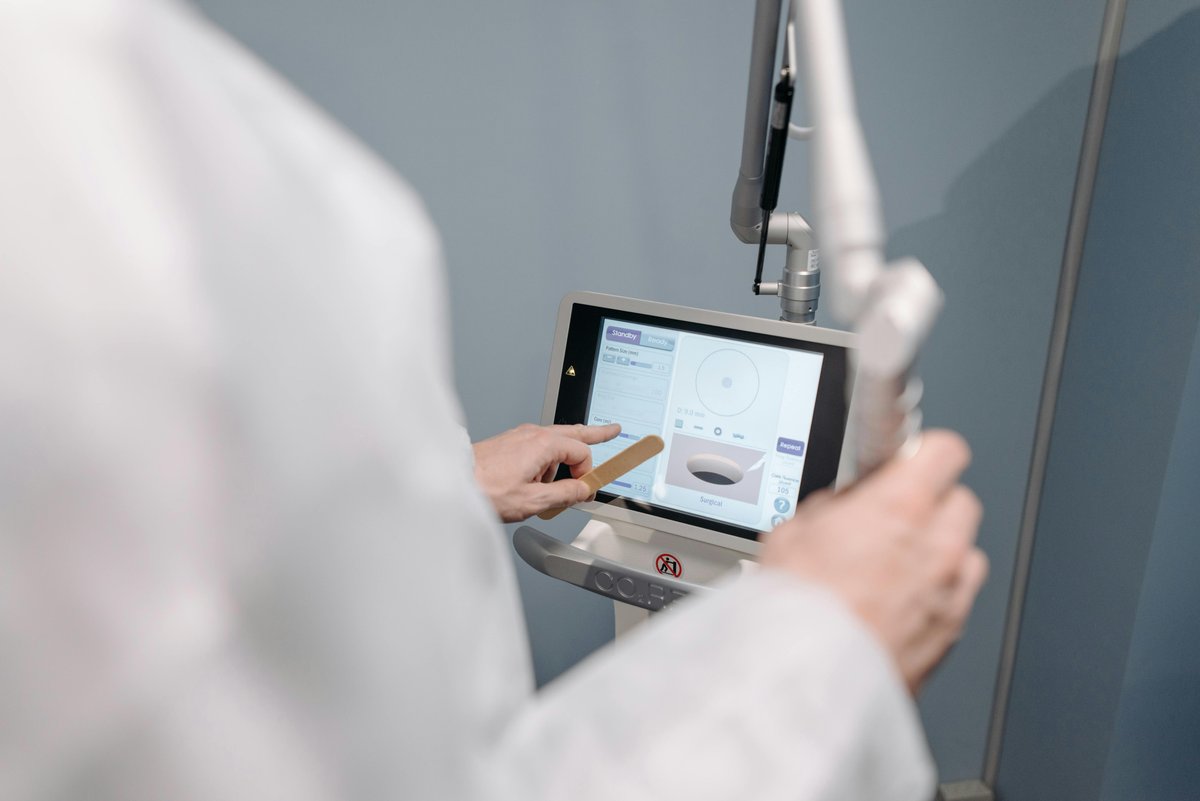
Laser platforms including Nd:YAG, alexandrite, diode, and fractional CO2 devices require state-specific radiation management licences (in Victoria and some other jurisdictions), operator accreditation, and comprehensive safety protocols including laser safety officer appointment and room classification.
Radiofrequency (RF) and ultrasound devices deliver skin tightening, body contouring, and collagen stimulation treatments. While they avoid some laser-specific regulations, they still require ARTG listing, operator training, and appropriate clinical protocols.
Combination platforms from leading manufacturers offer multiple treatment modalities in a single device. These platforms cost more but provide broader treatment scope and better utilisation rates than single-modality devices.
Purchase Versus Lease Decisions
Device procurement involves a critical purchase-versus-lease decision. Purchasing preserves long-term value and avoids interest costs but requires significant upfront capital. Leasing preserves cash flow and allows easier technology upgrades but increases total cost of ownership over the device lifecycle.
Consider lease-to-own arrangements that combine initial cash flow protection with eventual ownership. Many device manufacturers and medical finance providers offer lease-to-own plans. Evaluate each option against your cash flow projections and growth timeline.
Safety and Emergency Equipment
Safety equipment protects your patients, staff, and business. Clinical governance standards and insurance requirements mandate specific safety equipment for cosmetic clinics.
Emergency Resuscitation Equipment
Every cosmetic clinic must maintain emergency resuscitation equipment appropriate to the treatments delivered. For injectable clinics, this includes an anaphylaxis kit (adrenaline, antihistamines, corticosteroids, oxygen), hyaluronidase for dermal filler complications, basic airway management equipment, and a defibrillator (AED).
Maintain regular checks of expiry dates, equipment function, and staff competency in emergency protocols. Document all checks in your clinical governance records. Insurance providers verify emergency equipment availability during policy assessments.
Infection Control Equipment
Infection control infrastructure includes clinical hand wash basins (one per treatment room), alcohol-based hand rub dispensers, sharps disposal containers, clinical waste bins with foot-operated lids, surface disinfection supplies, and personal protective equipment (gloves, masks, eye protection).
If your clinic performs any procedures requiring instrument sterilisation (such as microneedling with reusable devices), you need an autoclave and sterilisation monitoring systems. Most modern cosmetic clinics use single-use disposable instruments to eliminate sterilisation requirements and reduce infection risk.
Laser Safety Equipment
Clinics operating laser devices need wavelength-specific protective eyewear for practitioners and patients, laser warning signage, door interlocks or warning lights, window coverings to prevent beam escape, and a fire extinguisher rated for electrical fires. These requirements vary by laser class and state regulations.
Technology and Digital Infrastructure
Modern cosmetic clinics depend on digital systems for patient management, clinical documentation, and business operations.
Practice Management Software
Select a practice management system that handles appointment scheduling, patient records, treatment documentation, billing, and reporting. Popular options for Australian cosmetic clinics include Cliniko, Nookal, and Timely. Ensure your chosen system complies with the Privacy Act 1988 for health record storage and offers data backup and encryption.
Communication and Marketing Technology
Digital communication systems include a business phone system, SMS appointment reminders, email marketing platform, and patient feedback collection tools. A professional website with online booking capability supports patient acquisition and retention.
Equipment Procurement Checklist
Before purchasing any equipment, verify these compliance requirements: ARTG listing (for all medical devices), state licensing requirements (for laser and radiation-emitting devices), operator training requirements (documented for each device), insurance coverage (confirm your policy covers the specific device and treatments), maintenance and calibration schedule (documented for each device), and supplier authorisation (confirm the supplier is authorised to distribute in Australia).
HCPA’s Regulatory Growth Consultants provide comprehensive equipment procurement support that verifies compliance requirements before you commit capital. We help you select equipment that maximises your treatment scope while satisfying every regulatory obligation.
Ready to take the next step? Speak with HCPA’s cosmetic injectables team today and get expert guidance on launching your cosmetic business.
Compliance Guarantee and First Client Guarantee
Every HCPA engagement is backed by our Compliance Guarantee, or your money back. We also stand behind our First Client Guarantee: we deliver, or we work for free. You get both the auditor who ensures compliance and the growth expert who builds your business. That is what Regulatory Growth Consultants deliver across the full lifecycle.
Get Expert Equipment Guidance from HCPA
Contact HCPA to discuss your cosmetic clinic equipment requirements. Our Regulatory Growth Consultants verify ARTG listings, confirm state licensing obligations, and ensure your equipment procurement strategy supports compliant, profitable clinic operations. With 16,000+ businesses supported, 27+ years of leadership experience, and 130+ consultants across Australia, we master the regulatory requirements that govern every piece of equipment in your clinic.
Every compliant device you install strengthens your competitive position and protects your patients, your practitioners, and your investment. From registration to national growth, your Regulatory Growth Consultants deliver the full lifecycle. Contact us to see if your industry qualifies.