START A COSMETIC INJECTABLES CLINIC
Start a cosmetic injectables clinic in Australia
HCPA helps cosmetic clinic owners plan the business model, premises, practitioner team and state-based requirements needed to open.
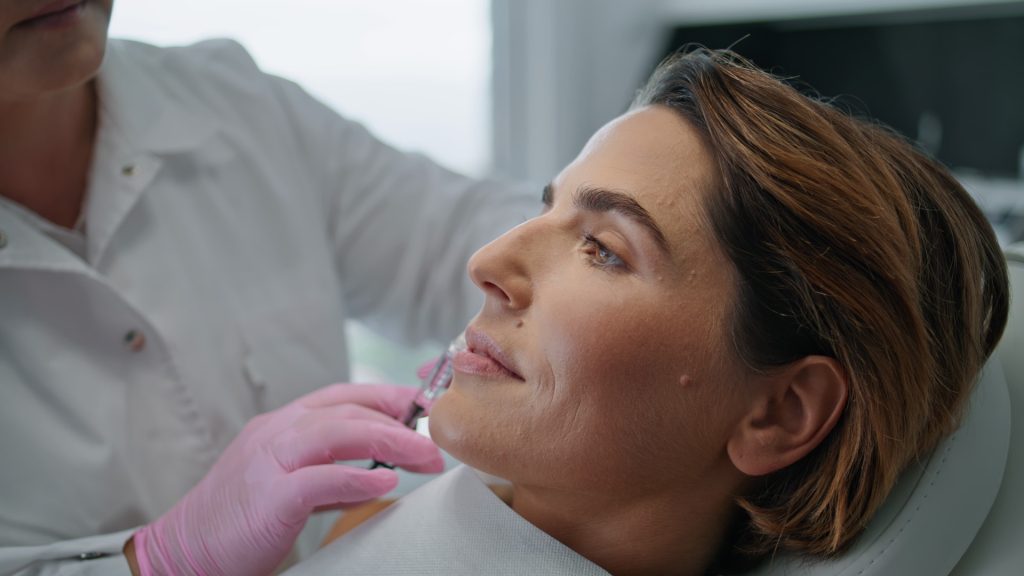
A cosmetic injectables clinic can be established as a dedicated premises, added to an existing healthcare or beauty business, or operated from a suitable home-based treatment space.
Still deciding whether to start a cosmetic injectables clinic?
There are several ways to enter the market, from renting a treatment room and starting lean through to opening a multi-room clinic or adding injectables to an existing business.
The right model depends on available capital, practitioner access, expected demand and whether you want the clinic to remain focused on injectables or support a wider aesthetic offering over time.
HCPA can help you compare the commercial and setup implications of each option before committing to a lease, fit-out or clinical team.
Who is suited to starting a cosmetic injectables clinic?
What are the cosmetic injectables business requirements?
The setup pathway depends on the state, practitioner structure and premises. Rather than one national cosmetic-clinic licence, operators need to bring together professional requirements, medicine controls, premises obligations and clinical systems.
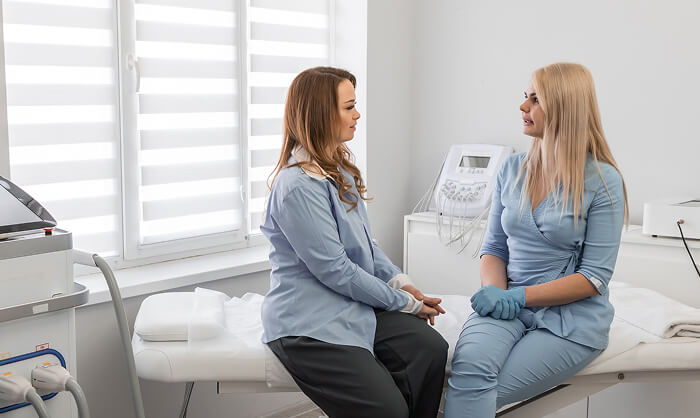
1. Choose the clinic model
Decide whether you are opening a standalone clinic, adding injectables to an existing business or establishing a smaller home or room-based service.
A single rented room can reduce initial capital, while a multi-room clinic creates more capacity and potential for additional services or room utilisation later.
The decision should be based on expected patient volume and staffing rather than fitting out more space than the business can initially use.
2. Plan the premises
Fit-out costs can be one of the most underestimated parts of the project.
Treatment rooms may need appropriate sinks, plumbing, cabinetry, clinical surfaces, sharps management and secure medicine storage. Starting with a shell that requires walls, plumbing and high-end finishes can materially increase the budget.
Checking these requirements before committing to the premises gives owners a better understanding of the true fit-out cost and whether the site suits the intended clinic model.
3. Build the practitioner and consultation model
The clinic needs appropriately registered practitioners with the training and scope required for the procedures they perform.
Ahpra’s current guidelines for practitioners performing non-surgical cosmetic procedures make clear that registration alone does not automatically authorise a practitioner to perform cosmetic procedures and that additional education or training may be necessary.
The patient pathway should also identify who assesses the patient, who makes the prescribing decision, who administers treatment and who is responsible for follow-up.
4. Complete the state-based clinic setup
Requirements around scheduled medicines and clinic approvals differ between jurisdictions.
For example, Queensland Health’s guidance for cosmetic injectable businesses sets out specific models for custody, prescribing, supply and administration of Schedule 4 cosmetic medicines.
The clinic also needs the core policies and systems required to open, including medicine handling, infection prevention, patient consent, records and escalation processes. More detailed ongoing monitoring and policy upkeep should then form part of the clinic’s Compliance program.
Why planning the clinic setup in the right order matters
One of the advantages of working with HCPA is knowing which parts of the setup can progress together and which depend on another step being completed first.
A clinic may need a practitioner before a medicine-related application can progress, while another requirement may depend on having the room completed.
HCPA’s cosmetic injectables team brings practical nursing, aesthetic-clinic operations and regulatory experience to coordinate the premises, practitioner model, documentation and approvals as one setup project.
How HCPA helps you start a cosmetic injectables clinic
Build the right clinic model
Turn your idea into a clear, commercially viable clinic model, from your target market and services to practitioner structure, initial investment and growth plans.
Find and plan the right premises
Assess the location, layout and suitability of your premises before you commit, with treatment rooms, medicine storage, workflows, compliance requirements and future growth considered from the beginning.
Build the clinic behind the scenes
Put the foundations in place while your clinic is being established, including registrations, policies, clinical systems, practitioner arrangements, operational processes and compliance requirements.
Get ready to open
Bring everything together before opening the doors. We review the patient journey, documentation, medicine processes, team readiness and operational requirements so you can launch with the right foundations in place.
Our experience helping businesses enter regulated markets
businesses supported
industry consultants
first-time approval rate
client revenue generated
HCPA’s cosmetic injectables team brings practical experience across nursing, cosmetic procedures, aesthetic clinic operations, skin services and multi-site clinic compliance.
That experience helps prospective owners look beyond the application itself to the decisions that affect how the clinic will operate, including practitioner arrangements, treatment rooms, medicine processes and patient flow.
For new operators, HCPA can bring these requirements into one setup plan so the clinic is ready to move from fit-out to opening with confidence.
Frequently asked questions about starting a cosmetic injectables clinic
How do I start a cosmetic injectables clinic in Australia?
Start by deciding how the clinic will operate: a standalone premises, a service inside an existing business, a rented treatment room or a suitable home-based clinic.
From there, map the practitioner model, premises requirements, medicine storage, policies and any state or local approvals that apply. Requirements differ by jurisdiction, so there is no single Australia-wide cosmetic clinic licence.
The key is to treat these as connected workstreams rather than completing the fit-out, practitioner recruitment and applications independently.
Can someone who is not a nurse or doctor own a cosmetic injectables clinic?
A non-clinical founder may establish the business, provided clinical responsibilities remain with appropriately registered and authorised practitioners and any jurisdiction-specific requirements are met.
Prescribing, assessment and administration must remain with appropriately registered practitioners who are authorised and competent to perform those functions.
For investor-led clinics, this separation should be built into the operating model from the beginning rather than relying on informal arrangements between the owner, prescriber and injector.
Can an existing beauty or healthcare clinic add cosmetic injectables?
Yes.
HCPA specifically supports service integration for existing beauty, skin, allied health and healthcare businesses that want to introduce cosmetic injectables.
The existing premises and operating systems still need to be assessed against the requirements of the new clinical service, rather than assuming the current setup can simply be extended.
Should I open a full clinic, rent a treatment room or start from home?
The best option depends on existing demand and how much capital you want to commit before the patient base is established.
Renting a treatment room can keep early overheads low. A dedicated clinic provides more control and room for additional practitioners or services, while a home clinic may suit an established injector where local and clinical requirements can be met.
The best model is the one that gives the clinic enough capacity to grow without committing more capital than the initial patient demand supports.
How much does it cost to start a cosmetic injectables clinic?
Costs vary substantially with the premises and fit-out.
HCPA’s project experience suggests around $80,000 to $100,000 can be a useful planning range for a dedicated clinic, while larger multi-room premises with high-end finishes may reach $250,000 to $300,000 or more. A rented room or suitable existing facility may require considerably less.
The useful question is not simply “What does a clinic cost?” but how much space and infrastructure the business actually needs at launch.
What costs do clinic owners commonly underestimate?
Fit-out is one of the biggest.
Plumbing, treatment-room sinks, cabinetry, medicine storage and clinical surfaces can quickly increase costs, particularly when starting with an empty commercial shell.
HCPA has seen fit-out decisions materially change startup budgets, so assessing the clinical requirements before choosing a premises can make the initial investment easier to control.
Do I need to employ my injector before applying for clinic approvals?
Potentially, depending on the jurisdiction and application.
Some processes require practitioner details before they can progress, while others may depend on the treatment room being completed and ready for assessment.
Planning those dependencies early allows recruitment, fit-out and application work to overlap where possible rather than leaving one stage waiting unnecessarily for another.
What qualifications or training does a cosmetic injector need?
Registration alone does not mean a practitioner is automatically competent to perform every cosmetic procedure.
The Ahpra non-surgical cosmetic procedure guidelines require practitioners to work within their professional scope and have appropriate education, training and competence for the procedures they perform.
A clinic should therefore review cosmetic-specific capability as part of practitioner onboarding, not simply confirm that an Ahpra registration exists.
How should prescribing and injecting responsibilities be structured?
The clinic needs a clear pathway showing who assesses the patient, who makes the prescribing decision, who administers the medicine and who manages follow-up or complications.
The exact structure can differ by jurisdiction. For example, Queensland Health outlines both doctor or nurse-practitioner custody models and remote-service arrangements.
Mapping those responsibilities before opening creates a clearer patient journey and helps each practitioner understand their role.
Should I negotiate a fit-out or rent-free period before opening?
It can be commercially useful where the clinic needs substantial building work or an approval cannot be lodged until the treatment space is complete.
HCPA has seen some medicine-related applications take approximately four to 12 weeks after submission, with additional preparation required beforehand.
Where possible, factoring that timing into lease negotiations can reduce the amount of full commercial rent paid before treatments begin.
Related Cosmetic Injectables resources
[Insert Ladder Content from Hub page: Compliance, Growth]
Maintain clinic compliance
Need help with prescribing, advertising or a clinical compliance issue?
Grow your clinic
Looking to increase patient demand or strengthen commercial performance?
Build a growth strategy around patient acquisition, compliant marketing, practitioner capacity and the performance of your existing clinic.
Start growingWhat Our Clients Say