
MEDICINAL CANNABIS CULTIVATION LICENCE & FACILITY SETUP
Start a medicinal cannabis cultivation business in Australia
HCPA helps you assess the commercial opportunity, plan your facility, prepare your ODC cannabis licence application and build the systems needed to enter the medicinal cannabis cultivation market.
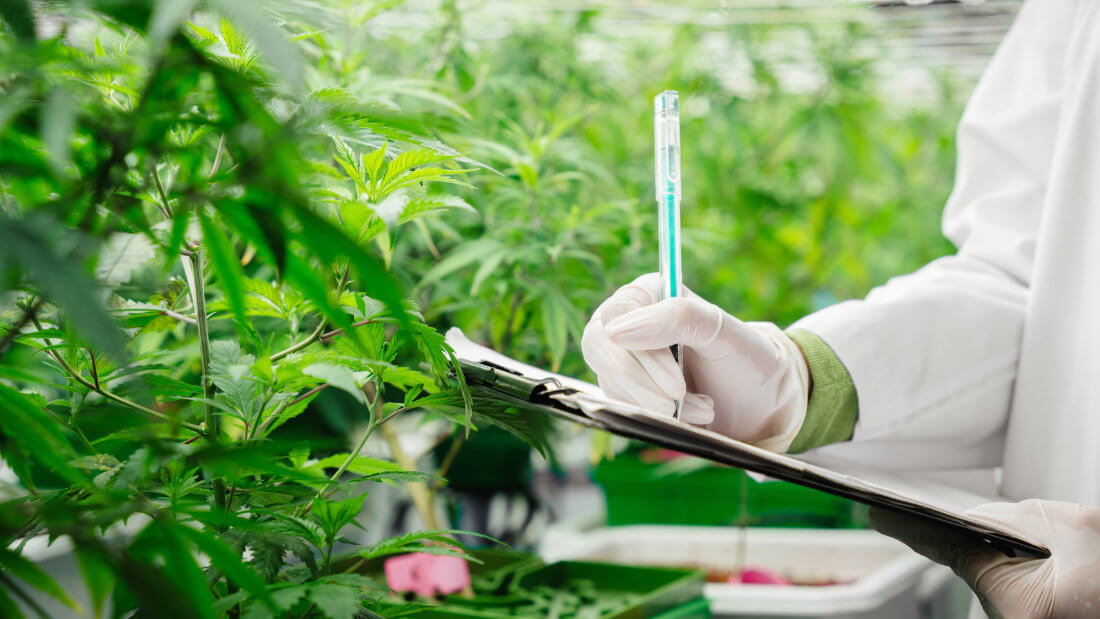
Cultivating medicinal cannabis in Australia is highly regulated. Before cultivation can commence, your business needs the appropriate Office of Drug Control licence and permit issued under the Narcotic Drugs Act 1967, with cultivation and production limited to medicinal or scientific purposes.
The site, security arrangements, people, funding and proposed activities forming part of the approval process. The Office of Drug Control explains the requirements for growing and producing medicinal cannabis in Australia. Separate state or territory, planning, building and environmental approvals may also apply, depending on the location and facility.
Still deciding whether medicinal cannabis cultivation is the right opportunity for you?
Australia has an established domestic medicinal cannabis industry, but cultivation is becoming increasingly competitive. A new operation needs to produce consistent quality at a commercially viable cost and have a clear pathway to manufacturers, sponsors, wholesalers or other buyers.
Domestic cultivation can create opportunities where an operator can offer reliable supply, competitive production costs or material suited to a defined market need. An ODC cannabis licence, however, does not create demand for what you grow.
The priority is to test whether the proposed product, production cost and broad route to market make sense before committing to the facility.
HCPA can help you assess the proposed facility, production model, investment and route to market before you move into licensing and development.
Who is well suited to medicinal cannabis cultivation?
Successful cultivation businesses need more than horticultural knowledge. They require sufficient capital, strong operational management and an understanding of security, quality, compliance and commercial supply.
What do you need to start medicinal cannabis cultivation?
Medicinal cannabis cultivation is a staged project. Before applying, you need to know what you intend to grow, where the facility will operate, how it will be secured and how the business will fund development and operations.
The licence is only one part of that sequence. Site feasibility and facility planning need to be resolved early enough that the application reflects an operation the business can realistically build and fund.
1. Test the site and commercial model
Choosing a site should come after assessing what you intend to produce and how the operation will compete.
A cultivation model might use outdoor production, greenhouses or a fully controlled indoor facility. Each creates different requirements for capital, security, environmental control, crop quality and operating costs.
The site also needs to be assessed for issues such as planning, utilities, water, power, soil or growing media, access, security and room for post-harvest activities.
One of the biggest mistakes HCPA sees is committing to land or facility design before these factors have been properly assessed. A site may appear suitable but become difficult or expensive once security, power, environmental controls or planning requirements are considered.
HCPA can help assess the proposed site and production model before major property or construction commitments are made.
2. Prepare your ODC cannabis licence application
The ODC medicinal cannabis licence application assesses more than the business entity. Supporting information can include the people connected with the business, the proposed site, security arrangements and evidence that the applicant is fit and proper. At least one authorised person must also be identified for the site to oversee the managerial, supervisory or daily control of the licensed activities.
Preparation can involve:
- company and ownership information
- details of directors and authorised persons
- financial capacity and funding evidence
- site ownership or lease arrangements
- site and floor plans
- security risk assessment and plans
- proposed cultivation and production activities
- operational procedures
- proposed supply arrangements
Financial capacity is particularly important because substantial expenditure can occur before the business is able to generate cultivation revenue.
HCPA can coordinate the application, supporting evidence, site planning and specialist inputs needed to present the proposed operation clearly to the regulator.
3. Develop the facility and obtain your permit
A medicinal cannabis licence and permit are different approvals.
The licence authorises the business, site and approved activities. The permit controls what can actually be cultivated or produced under that licence including the authorised cannabis types, maximum plant numbers or production quantities, cultivation period and approved supply arrangements. A business cannot commence authorised cultivation simply because its licence has been granted. The relevant permit must also be in place.
Facility development can include security systems, controlled access, CCTV, backup power, cultivation areas, post-harvest rooms, secure storage and environmental systems such as commercial HVAC.
If manufacturing is also planned, that should be assessed as a separate regulated activity rather than assumed to form part of the cultivation approval. Australian manufacturers of medicinal cannabis products generally need a TGA manufacturing licence and must comply with Good Manufacturing Practice (GMP) requirements.
HCPA can work alongside architects, engineers, security specialists and other providers so facility development remains aligned with the approved regulatory pathway.
4. Prepare for inspection and cultivation
Once the facility is ready, the final step is making sure what has been built matches the approved plans and that the operation is ready to commence.
The business needs working security systems, appropriate procedures, trained personnel, inventory controls and evidence that the proposed cultivation activities can be carried out within the licence and permit conditions.
This is the point where the project moves from approval and construction into operational readiness. Detailed ongoing reporting and compliance obligations apply once the operation is active and are covered separately in HCPA’s cultivation Compliance resources.
HCPA can review facility and operational readiness, identify gaps and help prepare the business for the transition from licensing and construction into active cultivation.
Why work with HCPA when starting a medicinal cannabis cultivation business?
Medicinal cannabis cultivation is both a regulatory project and a capital-intensive facility development. A licence application can be technically sound while the proposed site, production model or investment still creates commercial problems.
HCPA helps coordinate these areas rather than treating the ODC cannabis licence as a standalone application.
We can assess land and facility options before major commitments are made, then coordinate licensing, security planning, facility inputs and the permit pathway as the project progresses.
Our medicinal cannabis team also brings practical cultivation and operational experience and can coordinate with architects, engineers, security specialists, equipment suppliers and other external providers where required.
Backed by HCPA’s Compliance Guarantee
Eligible HCPA registration services are backed by the Compliance Guarantee. If approval is not achieved due to HCPA’s compliance work following three attempts, HCPA provides a full refund and you keep the work completed.
How HCPA helps you start medicinal cannabis cultivation
Assess the project
HCPA reviews your proposed site, cultivation model, production goals, financial capacity and route to market before major development commitments are made.
Prepare the licence
We coordinate the ODC application, site information, funding evidence, security planning and supporting documentation required for the proposed operation.
Plan the facility
HCPA helps align facility design, security and operational requirements with the approved cultivation model and coordinates specialist providers where required.
Connect you with industry partners
HCPA connects you with the specialist providers needed to develop and operate the business, including architects, engineers, security specialists, manufacturers and logistics providers.
Our experience helping businesses enter regulated markets
businesses supported
industry consultants
first-time approval rate
client revenue generated
HCPA’s medicinal cannabis capability brings together regulatory, cultivation, facility, operational and commercial expertise.
Our team has experience preparing cultivation licence projects across multiple Australian states and working with facility design, security, agronomy, cultivation systems and medicinal cannabis supply-chain partners.
For new cultivators, we apply that experience from the earliest commercial and site decisions through to the ODC application, facility development and preparation for cultivation.
Frequently asked questions about medicinal cannabis cultivation
How do I obtain a licence to cultivate medicinal cannabis in Australia?
You need the appropriate medicinal cannabis licence from the Office of Drug Control and the relevant permit before authorised cultivation can begin.
The application considers the business and connected people, proposed site, activities, funding and security arrangements. Facility development and permit preparation then form part of the pathway towards commencement.
What type of facility, production capacity and investment are needed for medicinal cannabis cultivation?
There is no single facility model or minimum production capacity that suits every business.
Outdoor cultivation can require less capital but may be better suited to particular production pathways. Greenhouses provide greater environmental control, while fully indoor facilities can provide tightly controlled conditions at significantly higher construction and energy costs.
Based on HCPA’s cultivation experience, a smaller outdoor project may start at around $300,000, while a small commercial greenhouse operation may require around $500,000 or more. Indoor facilities can require several million dollars depending on the building, equipment, production scale and level of environmental control. Costs will also vary depending on whether suitable land, buildings, utilities and other infrastructure are already in place. These are broad planning estimates only.
The right capacity should be based on your target product, production costs, facility capability and realistic route to market rather than simply trying to maximise output.
Is medicinal cannabis cultivation still a worthwhile business opportunity?
It can be, but the market is increasingly competitive.
Commercial viability depends less on simply obtaining a licence and more on whether the operation can produce repeatable quality at a cost the market will support.
That is why production model, facility costs and broad route to market should be tested before major capital is committed.
How much does the ODC licensing process cost?
Regulatory fees depend on the applications, permits, variations and other regulatory activities required for the project, and current charges should be checked directly against the ODC fee schedule.
Those fees are only one part of the investment. Facility development, security, utilities, consultants, staff and working capital will usually represent much larger costs
How long does medicinal cannabis licensing take?
The ODC aims to assess a medicinal cannabis licence application within 195 working days, or around nine months, once the complete application has been submitted and the fee paid. Actual timeframes depend on the application’s complexity, further information requests and ODC workload.
The overall project can take longer once facility development, planning approvals, equipment procurement and the permit process are included. Some businesses begin construction while the licence is being assessed to reduce the overall timeframe, but this is done at their own risk.
Once the licence is granted, the relevant permit must also be obtained before cultivation can commence.
What is the difference between a medicinal cannabis licence and permit?
The licence authorises the business to undertake approved medicinal cannabis activities at the approved site.
The permit specifies what activities may actually be carried out under that licence, including the relevant cultivation or production scope. Both must be in place before cultivation begins. ODC explains the medicinal cannabis licence and permit requirements here.
Should I buy land before applying for an ODC cannabis licence?
Not necessarily.
The site is a fundamental part of the project, but committing to land before assessing planning, security, utilities, cultivation conditions and the commercial model can create unnecessary risk.
Where possible, test the property against the intended facility and licence requirements before making an irreversible commitment.
Can medicinal cannabis be grown outdoors?
Yes, the facility model can include outdoor, greenhouse or indoor cultivation, subject to the site, licence, permit and security requirements applying to the particular operation.
The best approach depends on the intended product, required quality, climate, security, production costs and route to market.
What security does a medicinal cannabis cultivation facility need?
Security is assessed as part of the licence application and needs to be appropriate to the proposed site and activities.
Requirements can affect site access, physical barriers, CCTV, secure storage, monitoring and procedures for staff and visitors.
Because security design affects facility planning and cost, it should be considered before the layout is finalised rather than added at the end of the project.
Do I need a buyer before I start cultivating medicinal cannabis?
A credible supply pathway should be considered before production begins.
You should have a realistic view of who could use the material, what they are likely to require and whether your proposed production volumes reflect genuine market demand.
What happens after my medicinal cannabis licence is approved?
Receiving your medicinal cannabis licence does not mean cultivation can begin immediately.
The facility needs to be developed in line with the approved plans and the relevant permit must be obtained before authorised cultivation can commence.
The business also needs to make sure its security systems, procedures, staff and operational controls are ready for the activities covered by the licence and permit.
HCPA can help coordinate the transition from licence approval through facility readiness, permit preparation and commencement of cultivation.
Does a medicinal cannabis cultivator need TGA GMP certification?
Not simply to cultivate medicinal cannabis.
However, if the business intends to manufacture medicinal cannabis products, separate TGA manufacturing requirements may apply, including GMP requirements depending on the activities being undertaken.
The TGA explains the requirements for medicinal cannabis manufacturing.
This distinction should be considered early if the business may eventually process, manufacture or package products rather than remaining solely a cultivator.
Related medicinal cannabis cultivation resources
Maintain cultivation compliance
Need help with ODC reporting, security or inspection readiness?
Grow your cultivation business
Ready to increase production or build a stronger route to market?
Improve production cost and consistency, strengthen relationships with buyers and connect production forecasts with real demand before increasing cultivation capacity.
Start growingWhat Our Clients Say