Starting an aesthetic business in Australia is a high-growth career move for qualified practitioners who understand how to turn registration and licensing into a competitive advantage. Whether you are a registered nurse, medical practitioner, or allied health professional entering the cosmetic injectables industry, the pathway from clinical practice to business ownership rewards those who master regulatory requirements early.
Australia’s aesthetic medicine sector continues to grow, with increasing consumer demand for evidence-based cosmetic treatments delivered by qualified practitioners. The regulatory landscape governing aesthetic businesses spans AHPRA registration requirements, TGA compliance obligations, state-based health service licensing, and business registration with ASIC and the ATO. Each requirement you master creates a competitive moat that protects your practice from unqualified operators.
HCPA has supported over 16,000 healthcare businesses through establishment and growth phases, facilitating more than $2 billion in business outcomes. As Australia’s Regulatory Growth Consultants, we combine deep compliance expertise with business growth strategy, so you get both: an auditor who ensures your registrations are airtight and a growth expert who builds the operational infrastructure for long-term success. Our experience with cosmetic clinic startups has given us direct insight into the registration and licensing steps that practitioners commonly overlook, and the ones that delay your launch by months if not addressed early.
Business Structure: Choosing the Right Entity for Your Aesthetic Business
Before you begin any registration process, selecting the appropriate business structure is critical. The structure you choose affects your tax obligations, personal liability, and ability to employ staff or engage independent contractors.
Sole Trader
Operating as a sole trader is the simplest structure and suits practitioners who plan to work independently within an existing clinic on a contractor basis. However, this structure offers no separation between personal and business assets, which creates significant liability exposure in a clinical environment.
Company (Pty Ltd)
A proprietary limited company is the most common structure for aesthetic clinic owners. It provides limited liability protection, a separate legal identity, and flexibility for future growth including bringing on partners or investors. Companies must be registered with ASIC and comply with ongoing reporting obligations including annual reviews, financial statements, and director responsibilities under the Corporations Act 2001.
Partnership
If you are establishing the business with another practitioner, a partnership structure may be appropriate. However, partnerships carry joint and several liability, meaning each partner can be held personally responsible for the full debts of the business. A comprehensive partnership agreement drafted by a commercial lawyer is essential.
Trust Structure
Some practitioners choose to operate through a discretionary (family) trust for asset protection and tax planning purposes. Trust structures add complexity and cost but offer advantages for practitioners with significant personal assets to protect. Professional accounting advice is essential before choosing this path.
ABN, GST, and Tax Registration
Every aesthetic business operating in Australia must hold an Australian Business Number (ABN). Registration is completed through the Australian Business Register and is free of charge. If your projected annual turnover exceeds $75,000 (which most cosmetic clinics achieve within the first year), you must also register for Goods and Services Tax (GST).
Key tax registrations to complete include:
- ABN registration through the Australian Business Register
- GST registration if turnover exceeds or is expected to exceed $75,000 annually
- PAYG withholding registration if you plan to employ staff
- Superannuation obligations for any employees, including casual staff
- Workers compensation insurance as required by your state or territory
- Business Activity Statement (BAS) lodgement, typically quarterly
Cosmetic injectable treatments are generally GST-free when provided as a medical service by a registered medical practitioner. However, treatments provided for purely cosmetic purposes by non-medical practitioners may attract GST. Consult with a healthcare-focused accountant to determine your GST obligations accurately.
AHPRA Registration Requirements for Aesthetic Practitioners
All practitioners performing cosmetic injectables in Australia must hold current registration with the Australian Health Practitioner Regulation Agency (AHPRA). The type of registration required depends on your profession:
Medical Practitioners
Doctors must hold general or specialist registration with the Medical Board of Australia through AHPRA. Medical practitioners can independently prescribe and administer Schedule 4 cosmetic injectables including botulinum toxin and dermal fillers.
Registered Nurses and Nurse Practitioners
Registered nurses (Division 1) must hold current registration with the Nursing and Midwifery Board of Australia through AHPRA. Nurses administer cosmetic injectables under appropriate clinical governance arrangements, but cannot independently prescribe Schedule 4 medications. A prescribing medical practitioner or nurse practitioner must authorise treatments through standing orders, patient-specific orders, or a structured prescribing arrangement.
Nurse practitioners hold an expanded scope of practice and can independently prescribe Schedule 4 medications within their area of endorsement, making them well-suited to leadership roles in cosmetic clinics.
Dentists
Dentists registered with the Dental Board of Australia through AHPRA can administer cosmetic injectables within the scope of dental practice. The boundaries of this scope continue to evolve, and practitioners should stay current with Dental Board guidelines.
State and Territory Health Service Licensing
Beyond AHPRA registration, most states and territories require specific licensing for premises where cosmetic procedures are performed. Requirements vary significantly by jurisdiction:
New South Wales
In NSW, premises performing cosmetic procedures need to comply with the Public Health Regulation 2022 and relevant local council requirements for skin penetration procedures. The NSW Ministry of Health also publishes guidelines on cosmetic surgical and medical procedures.
Victoria
Victoria requires premises performing cosmetic procedures to comply with the Health Services Act 1988 and relevant regulations. Local councils enforce skin penetration regulations, and specific infection control standards apply.
Queensland
Queensland’s Private Health Facilities Act 1999 governs certain cosmetic procedure facilities. Additional requirements apply under local government regulations for skin penetration procedures.
Other States and Territories
Western Australia, South Australia, Tasmania, the ACT, and the Northern Territory each maintain their own health service licensing frameworks. Contact the relevant state or territory health department for current requirements before committing to a premises lease.
Professional Indemnity and Business Insurance
Professional indemnity insurance is a mandatory condition of AHPRA registration for all registered health practitioners. Your policy must provide adequate coverage for the cosmetic procedures you intend to perform.
Beyond professional indemnity, a comprehensive insurance portfolio for an aesthetic business includes:
- Public liability insurance covering third-party injury or property damage
- Product liability insurance for products sold or used in treatments
- Business insurance covering premises, equipment, and business interruption
- Workers compensation insurance for all employees
- Cyber liability insurance to protect patient data and digital systems
Ensure your insurer understands the full scope of cosmetic procedures you will perform. Failing to disclose specific treatment types can void your coverage when you need it most.
Premises Requirements and Fit-Out Standards
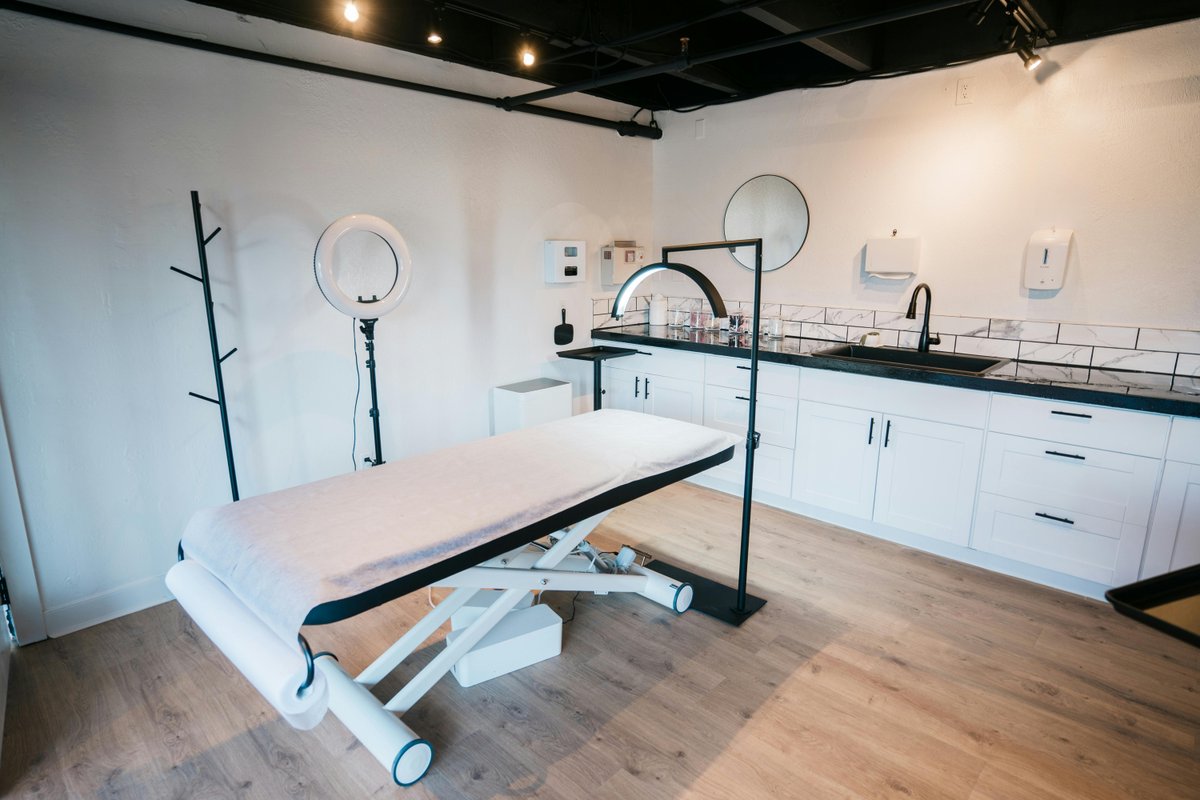
Cosmetic injectable clinics must meet specific premises standards that address infection control, patient safety, emergency preparedness, and accessibility. Key considerations include:
Clinical Space Requirements
- Dedicated treatment rooms with appropriate lighting, ventilation, and privacy
- Hand hygiene facilities in each treatment area
- Adequate storage for Schedule 4 medications meeting TGA requirements
- Emergency resuscitation equipment including anaphylaxis kits
- Sharps disposal and clinical waste management systems
- Sterilisation or single-use instrument protocols
Accessibility and Compliance
Your premises must comply with the Disability Discrimination Act 1992, Building Code of Australia requirements, and relevant state planning regulations. Local council development applications or change-of-use approvals are often required when converting retail or office space to clinical use.
Schedule 4 Medication Storage and Handling
Cosmetic injectables including botulinum toxin and hyaluronic acid dermal fillers are classified as Schedule 4 (prescription only) medicines under the Poisons Standard. Storage and handling requirements include:
- Secure storage in a locked area accessible only to authorised personnel
- Temperature-controlled storage as specified by the manufacturer (many products require refrigeration at 2 to 8 degrees Celsius)
- Accurate record-keeping of all Schedule 4 medication purchases, usage, and disposal
- Compliance with state and territory drugs and poisons legislation
- Documented protocols for ordering, receiving, storing, and administering Schedule 4 products
Digital Infrastructure and Patient Records
Modern aesthetic businesses require robust digital infrastructure that complies with the Privacy Act 1988 and Australian Privacy Principles (APPs). Essential systems include:
- Practice management software with appointment scheduling, patient records, and billing functionality
- Clinical photography systems with secure storage and consent management
- Electronic health records meeting the requirements of the My Health Records Act 2012
- Online booking and communication platforms that maintain patient confidentiality
- Secure payment processing systems compliant with PCI DSS standards
Marketing and Advertising Compliance
Advertising cosmetic injectable services is heavily regulated in Australia. AHPRA’s advertising guidelines, enforced under the National Law, prohibit:
- Before-and-after photographs used in a way that is misleading or creates unrealistic expectations
- Testimonials or purported testimonials in advertising regulated health services
- Claims of superiority or guaranteed outcomes
- Use of Schedule 4 product brand names in consumer-facing advertising
- Social media content that constitutes advertising must comply with the same standards
Developing a compliant marketing strategy from the outset saves significant cost and reputational risk compared to retrospective remediation after receiving an AHPRA complaint.
Ready to get started? Book your free cosmetic injectables strategy call with HCPA and get a clear roadmap for your clinic launch.
Your Setup Guarantee: From Registration to Growth
The practitioners who build the most successful aesthetic businesses are those who treat regulation as a growth advantage, not a barrier. Every registration, licence, and compliance framework you master creates a competitive moat that separates your practice from unqualified operators and positions you as a trusted provider in a market that rewards credibility.
HCPA’s Regulatory Growth Consultants bring direct experience across all aspects of cosmetic clinic registration and licensing, with a 99% first-time approval rate across regulatory applications. We do not just ensure compliance; we build the infrastructure that powers your growth. You get both: an auditor who protects your registration and a growth consultant who accelerates your business.
Our aesthetic business setup services include:
- Business structure advice and ASIC registration support
- AHPRA compliance review and clinical governance framework development
- State-based health service licensing applications
- TGA compliance frameworks for Schedule 4 medication handling
- Insurance portfolio review and broker introductions
- Premises compliance assessment and fit-out guidance
- Marketing compliance review before campaign launch
With over 16,000 businesses supported and more than $2 billion in outcomes facilitated, HCPA transforms compliance complexity into a clear, actionable roadmap so you can focus on building a thriving clinical practice. Backed by our Setup Guarantee, or your money back.
First Client Guarantee: we deliver, or we work for free.
Ready to start your aesthetic business? Contact HCPA today for a confidential consultation about your registration and licensing requirements. Contact us to see if your industry qualifies. Join 16,000+ businesses that turned regulation from a barrier into a weapon.
]]>