Understanding the true cost of launching a cosmetic clinic in Australia requires more than a spreadsheet of equipment prices and lease quotes. Every dollar you invest in regulatory compliance, practitioner credentialing, and clinical governance delivers compounding returns through reduced risk, premium positioning, and sustainable growth. Clinics that underestimate compliance costs launch underprepared. Those that budget accurately build businesses that thrive from day one.
HCPA’s Regulatory Growth Consultants treat startup costs as strategic investments rather than reluctant expenses. Every licensing fee, insurance premium, and governance framework you fund during your launch phase creates a competitive barrier that protects your market position for years to come.
Total Startup Cost Overview
A cosmetic clinic in metropolitan Australia typically requires between $250,000 and $600,000 in total startup capital. Regional clinics launch with $180,000 to $350,000 due to lower property costs and simpler competitive landscapes. These figures cover premises, equipment, regulatory compliance, initial inventory, staffing, and working capital for the first six months of operation.
The wide range reflects differences in clinic scope (injectable-only versus full-service), location (CBD versus suburban versus regional), fit-out quality (premium versus functional), and equipment strategy (purchase versus lease). Your specific startup cost depends on your business model, target market, and growth ambitions.
Premises and Fit-Out Costs
Commercial Lease Costs
Commercial lease costs for cosmetic clinics vary dramatically by location. Metropolitan CBD locations command premium rates per square metre, while suburban and regional centres offer significantly lower costs. A typical cosmetic clinic requires 80 to 200 square metres, depending on the number of treatment rooms.
Budget for a security deposit (typically three to six months’ rent), legal fees for lease review, and any make-good provisions required by the landlord.
Clinic Fit-Out
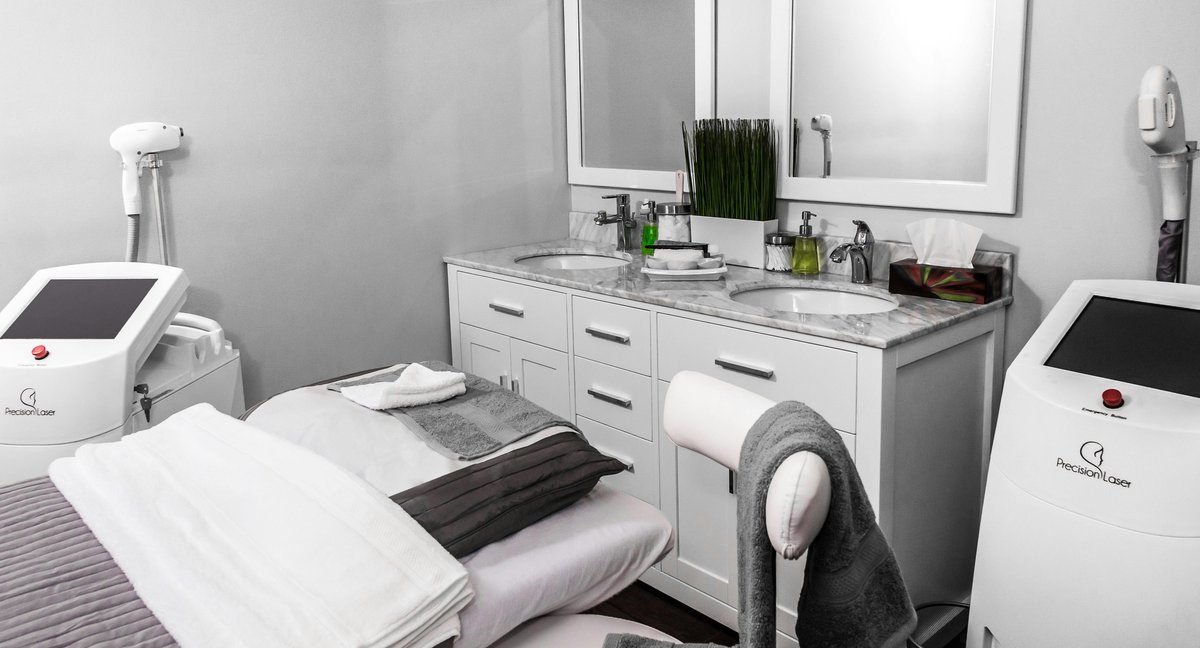
Fit-out costs vary depending on the size and quality tier of your clinic. This includes clinical-grade flooring, treatment room partitioning, plumbing for clinical sinks, electrical upgrades for medical devices, ventilation systems, and reception and waiting area design.
A premium fit-out signals quality to patients and supports your pricing strategy. Patients paying for premium treatments expect a clinical environment that reflects the quality of the service.
Include compliance-specific fit-out requirements: clinical waste storage areas, medication storage with temperature monitoring, emergency equipment stations, and privacy-compliant consultation rooms. These elements satisfy regulatory inspectors and demonstrate your commitment to patient safety.
Equipment and Technology Costs
Essential Clinical Equipment
Every cosmetic clinic requires core clinical equipment regardless of treatment scope: treatment beds, clinical trolleys, LED examination lights, sharps containers and clinical waste systems, emergency resuscitation equipment, and temperature-controlled medication storage. Costs vary based on quality tier and the number of treatment rooms you operate.
Cosmetic Devices
Laser and energy-based devices represent the largest single capital investment for clinics offering device-based treatments. Entry-level devices such as IPL platforms cost less than mid-range fractional laser and radiofrequency platforms, which in turn cost less than premium multi-platform systems. Costs typically range from $15,000 for basic platforms up to $350,000 for advanced combination systems.
Leasing options reduce upfront capital requirements. Device leases typically run 36 to 60 months. Evaluate lease-versus-purchase decisions carefully. Leasing preserves cash flow during your launch phase but increases your total cost of ownership over the device lifecycle.
Practice Management Software
Clinic management software handles patient records, appointment scheduling, treatment documentation, billing, and reporting. Australian cosmetic clinics commonly use platforms such as Cliniko, Nookal, or Timely. Budget for implementation costs, staff training, and data migration if transitioning from another system. Your software must comply with the Privacy Act 1988 and Australian Privacy Principles for health record management.
Regulatory and Compliance Costs: The Regulatory Growth Investment
Regulatory costs represent your most strategic startup investment. Every dollar spent on compliance during your launch phase prevents multiples of that amount in future enforcement costs, insurance claims, and reputation damage. HCPA’s Regulatory Growth Consultants treat these costs as the foundation of a defensible business position.
AHPRA and Medical Registration
AHPRA registration fees for medical practitioners apply annually depending on the profession. Your medical director’s registration must be current, unconditional, and appropriate for cosmetic medicine practice.
Practitioner credentialing costs include verification of qualifications, background checks, and scope of practice documentation. Budget appropriately for initial credentialing across your clinical team.
State and Territory Licensing
State licensing costs vary by jurisdiction. Victoria’s radiation management licence, Queensland’s private health facility registration, and other state-specific requirements each carry their own application and renewal fees. New South Wales does not require facility-level licensing for most cosmetic clinics but enforces strict advertising compliance through HCCC oversight.
Include costs for local council permits, building compliance certificates, and fire safety inspections. These vary by location.
Clinical Governance Setup
Building a clinical governance framework from scratch requires investment in policy development, procedure documentation, training materials, and audit systems. HCPA provides turnkey clinical governance packages for cosmetic clinics that include all required policies, procedures, templates, and training materials. This investment saves months of development time and ensures your governance framework meets current regulatory expectations.
Insurance Costs
Insurance represents an ongoing cost that you must factor into your startup budget for the first 12 months of operation. Professional indemnity insurance for cosmetic practitioners varies by treatment scope, claims history, and cover limits.
Total first-year insurance costs for a multi-practitioner cosmetic clinic cover professional indemnity, public liability, product liability, cyber insurance, and business interruption coverage. Clinics with strong clinical governance frameworks and documented training programs qualify for lower premiums, reinforcing the Regulatory Growth principle that compliance investment reduces operating costs.
Initial Inventory and Supplies
Your initial inventory must cover the first eight to twelve weeks of operation, providing sufficient stock to serve patients while establishing ongoing supplier relationships. Injectable products (anti-wrinkle toxins and dermal fillers) represent the largest inventory cost, depending on your projected treatment volume.
Consumable supplies including needles, cannulas, topical anaesthetics, antiseptics, dressings, and gloves are an additional cost. Skincare products for retail and post-treatment care, plus clinical documentation supplies and patient information materials, complete your inventory requirements.
Marketing and Patient Acquisition Budget
Pre-launch and first-year marketing budgets for cosmetic clinics should be planned as a percentage of projected first-year revenue. Allocate across website development, search engine optimisation, paid digital advertising, social media management, and brand development.
All marketing activity must comply with AHPRA advertising guidelines and TGA restrictions on promoting Schedule 4 medicines. Budget for a compliance review of your marketing materials before launch. Non-compliant advertising triggers AHPRA investigations that cost far more to defend than to prevent.
Working Capital Requirements
Working capital covers your operating costs during the pre-revenue and ramp-up phases. Most cosmetic clinics require 4 to 6 months of operating expenses in reserve.
Insufficient working capital forces clinics to cut corners on compliance, reduce marketing spend prematurely, or accept unfavourable supplier terms. All three outcomes erode your long-term profitability and competitive position. Budget conservatively and protect your working capital reserve from being absorbed by cost overruns during the fit-out phase.
Staffing Costs During Launch
Recruit your core team four to eight weeks before your opening date to allow time for onboarding, training, and systems familiarisation. Your launch team typically includes a clinic manager, receptionist, and your initial clinical practitioners.
Budget for pre-opening salary costs, recruitment costs (particularly for clinical hires through agencies), and training costs for induction and compliance training.
Complete Startup Cost Summary
A metropolitan injectable-focused clinic with two treatment rooms typically requires $250,000 to $350,000 in startup capital. A full-service aesthetic clinic with three to four rooms and device-based treatments requires $400,000 to $600,000. Regional clinics benefit from lower costs across premises, staffing, and marketing categories.
Allocate your startup capital across these categories: premises and fit-out, equipment and technology, regulatory compliance and insurance, initial inventory and supplies, marketing and brand development, and working capital reserve.
Ready to take the next step? Speak with HCPA’s cosmetic injectables team today and get expert guidance on launching your cosmetic business.
Compliance Guarantee and First Client Guarantee
Every HCPA engagement is backed by our Compliance Guarantee, or your money back. We also stand behind our First Client Guarantee: we deliver, or we work for free. You get both the auditor who ensures compliance and the growth expert who builds your business. That is the Regulatory Growth Consultants difference across the full lifecycle.
Get Your Startup Cost Assessment from HCPA
HCPA’s Regulatory Growth Consultants provide detailed startup cost assessments tailored to your specific clinic model, location, and service scope. We identify every regulatory cost before you sign a lease or purchase equipment, preventing the budget surprises that derail unprepared clinic launches. With 16,000+ businesses supported, 27+ years of leadership experience, and 130+ consultants across Australia, we master the regulatory landscape and build a financial plan that treats compliance as your strongest competitive investment.
Contact HCPA to start your cosmetic clinic startup assessment. From registration to national growth, your Regulatory Growth Consultants deliver the full lifecycle. Contact us to see if your industry qualifies.