Pharmaceutical Logistics: Building Compliant Distribution Systems in Australia
Effective pharmaceutical logistics systems are the operational backbone of Australia’s medicine supply chain, ensuring that therapeutic goods move safely, efficiently, and in full regulatory compliance from manufacturer to patient. For businesses establishing or upgrading pharmaceutical distribution operations, the design and implementation of logistics systems determines not only operational performance but also regulatory standing, customer satisfaction, and long-term commercial viability.
HCPA’s Regulatory Growth Consultants have supported more than 16,000 healthcare businesses across Australia over 27+ years, including pharmaceutical distributors, pharmacy networks, and supply chain operators mastering the complexities of logistics compliance and optimisation. With proven registration outcomes and deep expertise in navigating Australia’s regulatory landscape, HCPA provides practical insight into logistics system design that meets the country’s demanding regulatory and commercial requirements.
Regulatory Requirements for Pharmaceutical Logistics
Pharmaceutical logistics in Australia must comply with multiple regulatory frameworks that collectively ensure product quality, patient safety, and supply chain integrity.
Good Distribution Practice (GDP)
The TGA requires pharmaceutical distributors to comply with Good Distribution Practice standards, based on the PIC/S Guide to Good Distribution Practice for Medicinal Products. GDP requirements cover the entire logistics chain:
- Quality management: A documented quality management system governing all logistics operations
- Personnel: Adequate staffing with defined responsibilities, qualifications, and ongoing training
- Premises and equipment: Facilities and equipment that maintain product quality during storage and handling
- Documentation: Comprehensive records of all logistics activities, enabling full traceability
- Operations: Documented procedures for receipt, storage, picking, packing, dispatch, and returns
- Complaints, returns, and recalls: Systems for managing product complaints, processing returns, and executing recalls
- Self-inspection: Regular internal audits to assess compliance and identify improvement opportunities
- Transportation: Controls ensuring product integrity during transport, including temperature management
Cold Chain Compliance
Temperature-sensitive pharmaceuticals require validated cold chain logistics from manufacturer through to point of dispensing. Australian cold chain requirements include:
- Validated temperature-controlled storage at each point in the supply chain
- Continuous temperature monitoring with calibrated recording devices
- Validated shipping configurations for each product and route combination
- Documented temperature excursion investigation and decision procedures
- Staff training in cold chain handling and emergency procedures
Controlled Substance Logistics
The distribution of Schedule 8 (controlled) substances imposes additional logistics requirements including enhanced security measures (safes, restricted access areas, alarm systems), dual-person verification for receipt, storage, and dispatch, detailed recording of all transactions and stock movements, regular stock reconciliation with investigation of discrepancies, and compliance with state-specific controlled substance regulations.
Warehouse Design and Operations
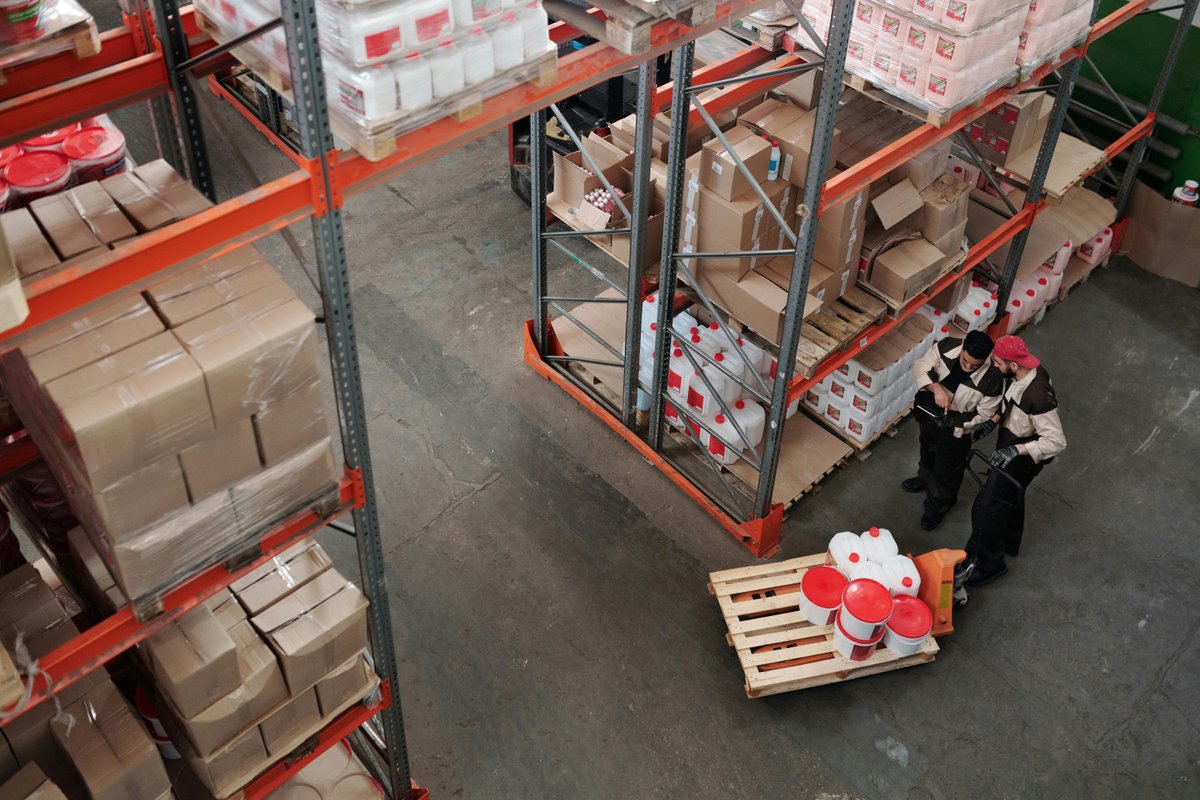
The distribution warehouse is the central hub of pharmaceutical logistics operations. Effective warehouse design balances regulatory compliance, operational efficiency, and scalability.
Warehouse Layout Principles
A well-designed pharmaceutical warehouse incorporates distinct zones for different operational activities:
- Receiving dock: Dedicated area for incoming shipment inspection, temperature verification, and documentation checking. Should include a temperature-controlled ante-room for cold chain products
- Quarantine zone: Segregated area for holding incoming goods pending quality release
- Active storage: The main storage area, organised by product category, picking frequency, and storage requirements (ambient, cold chain, controlled substances)
- Picking and packing zone: Dedicated area for order assembly, checking, and packaging
- Dispatch area: Staging zone for completed orders awaiting collection or delivery vehicle loading
- Returns and quarantine: Separate area for managing returned products, damaged goods, and items pending investigation or disposal
- Controlled substance vault: Secure, access-controlled storage for Schedule 8 substances
Storage System Selection
The choice of storage systems impacts space utilisation, picking efficiency, and operational costs:
- Static shelving: Simple, low-cost solution suitable for smaller operations. Manual picking from fixed shelf locations
- Pallet racking: For bulk storage of palletised products. Selective racking provides direct access to every pallet position; drive-in racking maximises density for high-volume SKUs
- Automated storage and retrieval systems (AS/RS): High-density automated storage using robotic retrieval. Significant capital investment but delivers superior space utilisation and picking accuracy
- Carousel systems: Rotating storage systems that bring products to the picker, reducing walking time and improving productivity
- Pick-to-light systems: Light-guided picking that directs operators to the correct location and quantity, reducing errors and improving speed
Temperature Management Systems
Comprehensive temperature management requires centralised HVAC systems with redundant capacity for ambient storage zones, commercial refrigeration with backup systems for cold chain storage (2 to 8 degrees Celsius), freezer systems for frozen storage requirements (below minus 20 degrees Celsius), continuous temperature monitoring using calibrated data loggers at multiple positions within each zone, automated alarm systems that notify personnel of temperature excursions in real-time, and regular temperature mapping studies to verify uniform temperature distribution within storage areas.
Transport and Delivery Systems
The transport leg of pharmaceutical logistics presents unique challenges related to product integrity, delivery timing, and geographic coverage across Australia’s vast landscape.
Delivery Model Options
- Own fleet: Maximum control over service quality and delivery scheduling, but requires significant capital investment in vehicles, drivers, and fleet management infrastructure
- Third-party logistics (3PL): Outsourcing delivery to pharmaceutical logistics providers. Offers flexibility, geographic coverage, and variable cost structure
- Hybrid model: Own fleet for metropolitan routes and high-volume customers; 3PL partnerships for regional, rural, and remote deliveries
- Courier services: For urgent or low-volume deliveries. Must use couriers with pharmaceutical handling capabilities and cold chain certification where required
Vehicle and Container Requirements
Pharmaceutical delivery vehicles and containers must maintain product integrity throughout transit:
- Temperature-controlled vehicles: Refrigerated vans or trucks for cold chain deliveries, with validated temperature control and monitoring
- Insulated containers: Validated packaging systems (eskies, insulated boxes with phase-change materials) for maintaining temperature during last-mile delivery
- Security features: Lockable compartments, GPS tracking, and secure access protocols for controlled substance deliveries
- Cleanliness standards: Vehicles must be clean, dry, and free from contamination. Regular cleaning and inspection protocols should be documented
Route Planning and Optimisation
Effective route planning balances delivery speed, fuel efficiency, and driver utilisation. Modern route optimisation software considers delivery time windows and customer priorities, traffic patterns and real-time road conditions, vehicle capacity and load optimisation, temperature management constraints (minimising door-open events for cold chain deliveries), and driver hours and fatigue management compliance.
Technology Infrastructure for Pharmaceutical Logistics
Technology is the enabler of modern pharmaceutical logistics, providing visibility, control, and efficiency across all operations.
Warehouse Management System (WMS)
A pharmaceutical-grade WMS must support barcode and RFID scanning for product identification and tracking, batch and expiry management with FEFO (First Expired, First Out) logic, location management and directed put-away, wave planning, pick path optimisation, and workload balancing, real-time inventory visibility and stock level alerts, integration with temperature monitoring systems, and audit trail functionality for regulatory compliance.
Transport Management System (TMS)
A TMS complements the WMS by managing the transport operation: route planning and optimisation, driver dispatch and real-time tracking, proof of delivery capture (electronic signature, photo evidence), temperature monitoring during transit, delivery performance reporting and analytics, and customer notification and communication.
Integration Architecture
Effective pharmaceutical logistics requires seamless integration between multiple technology systems. Core integrations include WMS to ERP (for order management, invoicing, and financial reporting), WMS to TMS (for dispatch coordination and delivery tracking), temperature monitoring to QMS (for excursion alerting and investigation), customer ordering platform to WMS (for order receipt and processing), and supplier systems to WMS (for purchase order management and ASN receipt).
Quality Assurance in Logistics Operations
Quality assurance in pharmaceutical logistics extends beyond product quality to encompass the quality of logistics processes themselves.
Key Performance Indicators
Monitor and target improvement in the following logistics quality metrics:
- Order accuracy: Target 99.5%+ (correct products, quantities, and batch numbers)
- On-time delivery: Target 98%+ (delivered within agreed time window)
- Temperature compliance: Target 100% (no unresolved temperature excursions)
- Stock accuracy: Target 99.5%+ (physical stock matches system records)
- Damage rate: Target below 0.1% (products damaged during logistics operations)
- Returns processing time: Target within 48 hours of receipt
Continuous Improvement
Pharmaceutical logistics operations should embrace continuous improvement methodologies: regular process audits and gap analysis against GDP requirements, root cause analysis for quality deviations and customer complaints, lean management principles to eliminate waste and improve flow, staff feedback and suggestion programs to capture frontline insights, and benchmarking against industry best practices and competitor performance.
Recall Management and Crisis Response
The ability to execute product recalls rapidly and completely is a critical logistics capability. A robust recall management system includes documented recall procedures with clear roles and responsibilities, the ability to trace all product movements by batch number from receipt to delivery, customer notification systems for rapid communication, physical retrieval logistics for recovering recalled products, quarantine and disposition procedures for recalled stock, and regulatory reporting and communication with the TGA.
Regular recall simulation exercises (at least annually) test system readiness and identify gaps before an actual recall event occurs.
Growing Your Logistics Operations Through Regulatory Growth
As pharmaceutical distribution businesses grow, logistics systems must keep pace with increased volumes, expanded product ranges, and broader geographic coverage. Growth planning should address warehouse capacity and expansion options, technology system scalability (cloud-based systems offer superior scalability), workforce planning and training pipeline, transport capacity and network design, and capital investment planning for infrastructure upgrades.
HCPA’s Compliance Guarantee and First Client Guarantee
Compliance Guarantee: If you do not receive your licence approval due to HCPA’s compliance work, you receive a full refund and get to keep all work completed, following three registration attempts.
First Client Guarantee: Once your business is operational, HCPA will work with you to secure your first paying client within 12 months. If we do not deliver, we work for free.
HCPA delivers Regulatory Growth support for pharmaceutical logistics businesses at every stage of development, from initial system design through to optimisation of mature operations. With 27+ years of experience, over 16,000 healthcare businesses supported, and proven registration outcomes, HCPA provides the expertise needed to build logistics systems that deliver compliance, efficiency, and competitive advantage. Turn regulation from a barrier into a weapon.