
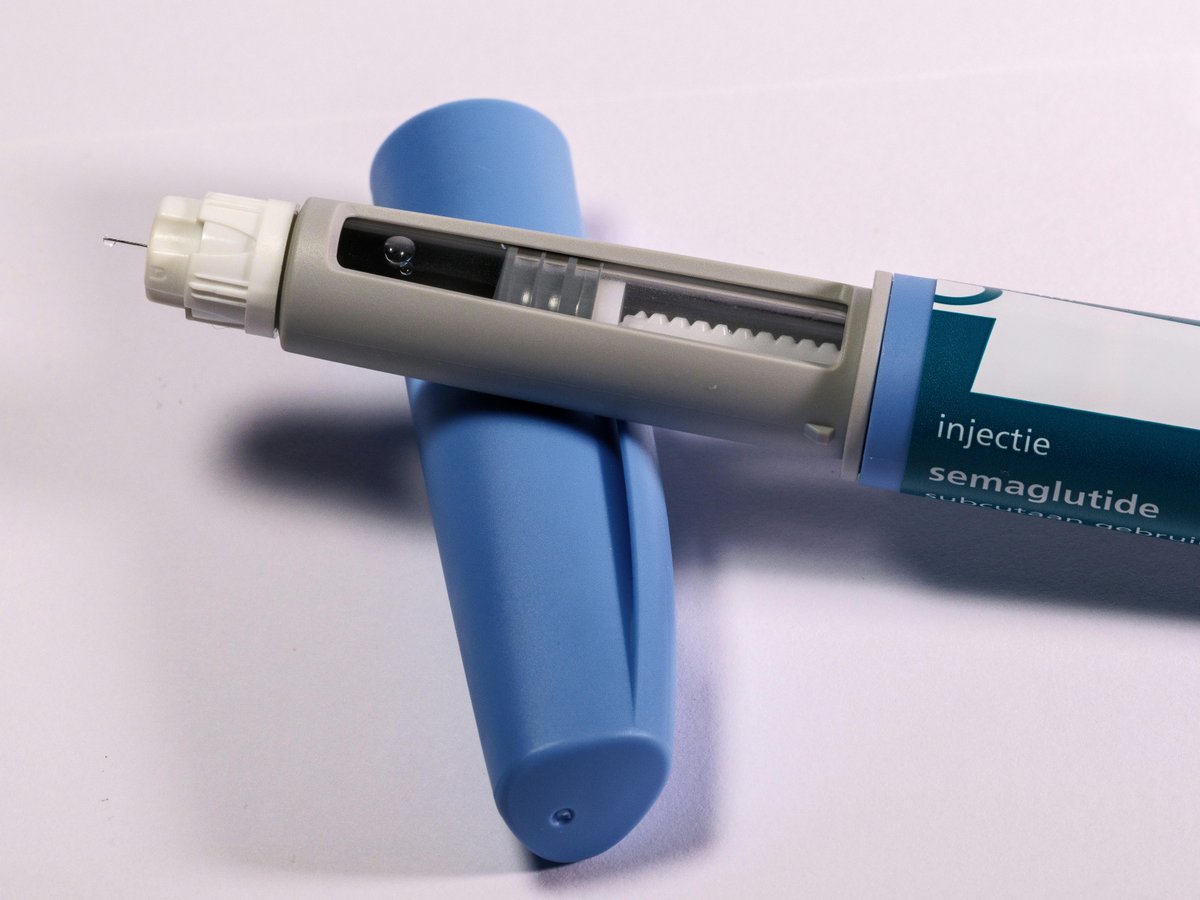
Import Medication Australia: How to Bring Weight Management Therapies Into the Country Compliantly
To import medication into Australia, particularly weight management therapies, your business must master a multi-layered regulatory framework that spans the Therapeutic Goods Administration (TGA), Australian Border Force, state health departments, and international supply chain requirements. The demand for weight management therapies across Australia has created significant commercial opportunities for importers, but only those who build compliant operations from the outset will capture lasting market share.
HCPA has supported over 16,000 businesses in building regulatory-compliant operations, contributing to more than $2B+ in collective client revenue. Our Regulatory Growth Consultants bring deep weight loss industry experience and expertise in pharmaceutical importation, turning complex regulations into a structured pathway to market. You get both: auditor-level compliance and commercial growth strategy.
The Growing Demand for Medication Imports in Australia
Australia’s weight management sector is undergoing rapid transformation. Clinicians, patients, and healthcare systems are increasingly recognising the role of pharmaceutical therapies in comprehensive weight management programmes. This shift has created unprecedented demand that domestic supply chains are struggling to meet.
For businesses positioned to import compliantly, this supply-demand gap represents a significant opportunity. Weight loss clinics need reliable medication access to serve their patients. Pharmacies need consistent wholesale supply to fill prescriptions. Telehealth providers expanding their weight management services need supply chain partners they can depend on.
The businesses that establish compliant import operations now are building the supply chain infrastructure that the entire sector will rely on for years to come.
Regulatory Pathways for Importing Weight Management Medications
The regulatory pathway for importing medications depends on whether the specific product is registered on the Australian Register of Therapeutic Goods (ARTG) and the intended distribution model.
Importing ARTG-Registered Products
For medications that are registered on the ARTG, the import process follows the standard commercial importation pathway. Importers must hold a TGA Wholesale Dealer Licence (or be in the process of obtaining one), an import permit issued by the TGA under Section 19 of the Therapeutic Goods Act 1989, and all relevant state and territory wholesale licences.
The product must be sourced from GMP-compliant manufacturers, and the importer must demonstrate appropriate facilities and systems for receiving, inspecting, storing, and distributing the products in compliance with the Australian Code of Good Wholesaling Practice (ACGWP).
Importing Unapproved Products via Special Access Scheme
For medications not registered on the ARTG, the Special Access Scheme (SAS) provides a regulatory pathway for importation. Under SAS Category B, medical practitioners access unapproved therapeutic goods for individual patients by submitting a notification to the TGA. The prescribing practitioner must obtain informed consent from the patient, provide clinical justification for using an unapproved product, and meet reporting obligations.
For importers supporting SAS supply, this means establishing systems that link each import to specific patient notifications, maintain full traceability from import to patient supply, and comply with the documentation and reporting requirements associated with each notification.
Importing Under the Authorised Prescriber Scheme
The Authorised Prescriber (AP) pathway allows approved medical practitioners to prescribe specific unapproved therapeutic goods to classes of patients. For importers, the AP pathway provides more streamlined supply arrangements, as it eliminates the need for individual SAS notifications. However, the importer must still comply with all import permit requirements, and the AP must maintain their authorisation and meet all associated obligations.
Building Your Import Operation
Establishing a compliant import operation involves several interconnected workstreams. HCPA manages these workstreams in parallel where possible to compress your timeline to market.
Supplier Qualification
Identifying and qualifying overseas manufacturers is a critical first step. Your supplier qualification process must assess the manufacturer’s GMP certification and regulatory standing, product quality documentation including stability data and specifications, supply reliability and capacity, cold chain logistics capabilities, and willingness to provide the documentation required by Australian regulators.
HCPA’s industry relationships and market knowledge help clients identify qualified manufacturers and negotiate supply arrangements that protect their business interests while meeting all regulatory requirements.
Licence and Permit Applications
The licence and permit applications required for medication importation include the TGA Wholesale Dealer Licence, TGA Import Permit, and state and territory wholesale licences. HCPA manages the end-to-end application process for all required authorisations.
Cold Chain Infrastructure
Most weight management medications require strict cold chain management, typically storage at 2 to 8 degrees Celsius. Building compliant cold chain infrastructure involves validated cold storage facilities with continuous temperature monitoring, backup power and refrigeration systems, calibrated temperature monitoring equipment with alarm capabilities, documented procedures for temperature excursion management, and cold chain validation for all transport legs from manufacturer to your warehouse.
Quality Management System
Your Quality Management System (QMS) must cover all aspects of your import operation, including supplier management, product receipt and inspection, quarantine and release procedures, storage management, distribution controls, complaint handling, adverse event reporting, and recall management. HCPA develops tailored QMS frameworks that meet regulatory requirements while remaining practical and manageable for your team.
International Logistics for Weight Management Medications
The international logistics of importing temperature-sensitive medications present unique challenges that require careful planning and qualified logistics partners.
Transport Mode Selection
Air freight is the predominant transport mode due to shorter transit times and better temperature control. Sea freight is viable for larger volumes where validated temperature-controlled containers are used, but longer transit times increase cold chain risk and require more robust temperature monitoring.
Temperature-Controlled Packaging
Validated temperature-controlled packaging systems are essential for maintaining product quality during international transport. These systems must be qualified for the expected transit duration and environmental conditions, including seasonal temperature variations at both origin and destination. Qualification studies should include worst-case scenarios, and packaging systems should be revalidated periodically.
Customs Clearance
Pharmaceutical imports require specific customs documentation, including TGA import permits, commercial invoices, packing lists, certificates of analysis, and any applicable certificates of origin. HCPA coordinates with experienced customs brokers who understand the specific requirements for pharmaceutical products, ensuring smooth clearance and minimising the time products spend at the border.
Last-Mile Cold Chain
The domestic transport leg, from the port or airport to your licensed warehouse, is often where cold chain failures occur. Validated domestic transport arrangements must maintain the same temperature standards as international transport, with continuous monitoring and documented handover procedures.
Compliance Challenges in Medication Importation
Our experience supporting over 16,000 businesses has highlighted several recurring challenges in pharmaceutical importation.
Regulatory Complexity
The intersection of TGA, customs, state, and international regulatory requirements creates a demanding compliance landscape. Businesses without dedicated regulatory expertise frequently underestimate the number of approvals required, the documentation burden, and the time needed to secure all authorisations.
Supply Chain Transparency
The TGA requires full supply chain transparency, from API sourcing through to finished product manufacture. For medications with complex manufacturing processes, establishing and documenting this transparency is challenging, particularly when dealing with manufacturers in jurisdictions with different regulatory expectations.
Advertising Restrictions
Importers and distributors must be aware that Schedule 4 and Schedule 8 medications cannot be advertised directly to consumers in Australia. This restriction applies to all forms of promotion, including websites, social media, trade catalogues distributed to non-healthcare audiences, and any materials that could be construed as consumer advertising. Breaches carry significant penalties.
Product Stability and Shelf Life
Imported medications must have adequate remaining shelf life at the point of receipt in Australia. International transport times, customs clearance delays, and quarantine periods all consume shelf life. HCPA helps clients establish procurement timelines and stock management procedures that optimise shelf life and minimise wastage.
Your Regulatory Growth Advantage in Medication Import Services
HCPA brings a unique combination of capabilities to import projects. Our Regulatory Growth Consultants understand the TGA assessment process from years of successful engagements. Our industry relationships, including partnerships with two national pharmacy networks, give clients access to established distribution channels. Our commercial acumen ensures that regulatory compliance supports, rather than hinders, your business objectives.
We have helped clients collectively generate over $2B+ in revenue, and our deep weight loss industry experience means we understand the specific market dynamics, clinical requirements, and competitive pressures that shape your import strategy.
Compliance Guarantee: HCPA guarantees your import operation will be fully compliant and operationally ready. If your registration is not approved, we continue working at no additional cost until it is.
First Client Guarantee: Beyond registration, HCPA supports you through to your first paying client. Your success is our benchmark, not just the paperwork.
Next Steps
If you are exploring medication importation into Australia, contact HCPA for a confidential consultation. Our Regulatory Growth Consultants will assess your import objectives, evaluate the regulatory pathways available, and develop a tailored implementation plan that gets you importing compliantly and efficiently.
Contact us to see if your industry qualifies.
The demand for weight management therapies in Australia is growing. The supply chain infrastructure to meet that demand is still being built. Position your business at the centre of that supply chain with HCPA’s Regulatory Growth Consultants behind you.