
Weight Loss Clinic Equipment: Building a Clinically Effective Practice
Selecting the right weight loss clinic equipment is foundational to delivering quality patient care, maintaining clinical credibility, and building a sustainable healthcare business. From body composition analysers to consultation room fit-outs, every equipment decision impacts patient outcomes, operational efficiency, and long-term profitability. For practitioners establishing or upgrading a weight loss clinic in Australia, equipment selection requires balancing clinical needs, regulatory compliance, and budget constraints.
HCPA has supported over 16,000 healthcare businesses in establishing and growing their operations. Our 27+ years of healthcare consulting experience, spanning 15+ weight loss and wellness clients, provides deep insight into which equipment investments deliver genuine clinical value versus those that represent unnecessary expenditure. This guide outlines the essential equipment categories, budget ranges, and selection criteria for Australian weight loss clinics.
Core Clinical Equipment for Weight Loss Clinics
The clinical equipment in your weight loss clinic forms the backbone of patient assessment, monitoring, and treatment delivery. Investing in quality clinical equipment builds patient confidence and supports evidence-based practice.
Body Composition Analysis Systems
Body composition analysis represents perhaps the single most important equipment investment for a weight loss clinic. These systems provide objective measurements that guide treatment planning, track patient progress, and demonstrate clinical outcomes.
Bioelectrical Impedance Analysis (BIA) devices are the most common choice for weight loss clinics. Professional-grade BIA systems range from $3,000 to $25,000 depending on measurement capabilities, accuracy, and reporting features. Entry-level devices measure basic metrics (body fat percentage, lean mass, hydration), while advanced systems provide segmental analysis, visceral fat ratings, and metabolic age estimates.
DEXA (Dual-Energy X-ray Absorptiometry) scanners represent the gold standard in body composition measurement but require significant capital investment ($50,000 to $150,000), dedicated floor space, radiation safety compliance, and trained operators. DEXA is typically reserved for larger clinics or those positioning themselves as premium assessment centres.
3D body scanning technology is an emerging category that provides visual body shape tracking alongside circumference measurements. These systems ($8,000 to $30,000) offer strong patient engagement value, as visual progress tracking can be more motivating than numerical data alone.
Clinical Assessment Equipment
Every weight loss clinic requires standard clinical assessment tools:
- Medical-grade scales: $500 to $2,500 for calibrated, high-capacity scales with BMI calculation features
- Stadiometer: $200 to $800 for accurate height measurement (wall-mounted or freestanding)
- Blood pressure monitors: $300 to $1,500 for professional-grade automated or manual sphygmomanometers
- Pathology collection equipment: $500 to $2,000 for blood collection supplies, sharps disposal, and specimen transport (if conducting in-clinic pathology)
- Waist circumference tapes: $20 to $50 for clinical-grade measurement tapes
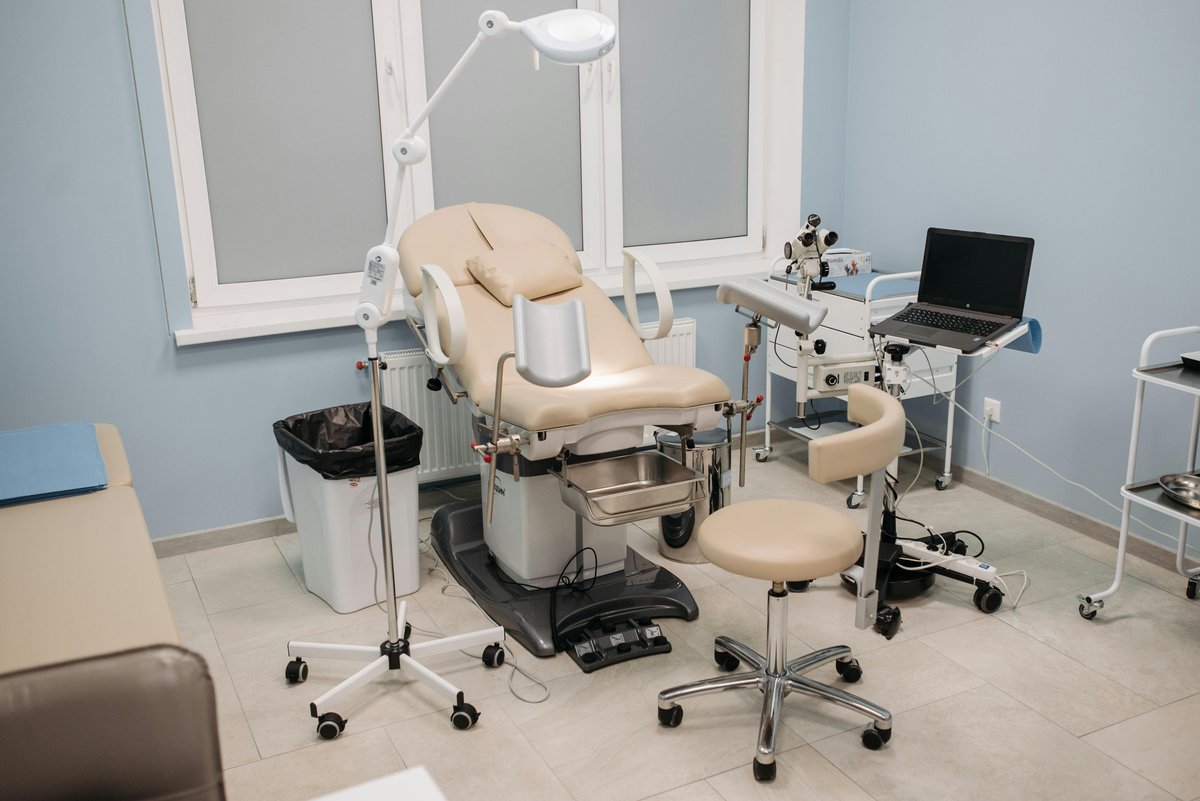
- Examination table: $800 to $3,000 for a height-adjustable, weight-rated clinical examination table
Point-of-Care Testing Equipment
Some weight loss clinics invest in point-of-care testing (POCT) devices that provide immediate results during consultations:
- HbA1c analysers: $2,000 to $8,000 for in-clinic glycated haemoglobin testing
- Lipid profile analysers: $3,000 to $10,000 for cholesterol and triglyceride testing
- Blood glucose monitors: $100 to $500 for standard glucose monitoring
While POCT equipment adds clinical capability and patient convenience, operators should carefully assess the cost per test against pathology laboratory pricing and consider whether the investment is justified by patient volume and clinical model requirements.
Consultation Room Fit-Out and Furniture
The consultation room environment directly impacts patient experience and clinical functionality. A well-designed consultation space supports efficient workflow, patient comfort, and professional presentation.
Essential Consultation Room Items
- Consultation desk and ergonomic chair: $800 to $2,500 for quality furniture that supports long consultation days
- Patient chairs: $300 to $800 each (minimum two per consultation room, with at least one bariatric-rated option)
- Privacy screens or curtains: $200 to $600 for patient privacy during measurements and examinations
- Clinical waste disposal: $300 to $800 for appropriate waste bins and sharps containers
- Hand hygiene station: $200 to $500 for hand wash basin fittings and sanitiser dispensers
- Wall-mounted display: $400 to $1,200 for a screen used during patient education and progress reviews
Bariatric Considerations
Weight loss clinics must accommodate patients of all sizes. This requires specific attention to furniture and equipment weight ratings. Consultation chairs, examination tables, scales, and waiting room seating should all be rated for higher weight capacities (minimum 200 kg is recommended). Failure to provide appropriately rated furniture creates safety risks, potential liability issues, and a poor patient experience.
Technology and Software Systems
Modern weight loss clinics rely on integrated technology systems to manage patient records, streamline operations, and deliver consistent care. Technology integration costs approximately $11,000 for a comprehensive setup based on our experience across multiple clinic deployments.
Practice Management Software
A robust practice management system (PMS) is essential for appointment scheduling, patient record management, billing, and reporting. Key features to evaluate include:
- Clinical note templates customised for weight management consultations
- Integration with Medicare and private health insurance billing
- Patient portal for appointment booking, forms, and progress tracking
- Reporting capabilities for clinical outcomes and business metrics
- Telehealth integration for remote consultations
Popular practice management systems for Australian healthcare clinics range from $100 to $500 per month depending on features and user numbers.
Telehealth Equipment
Telehealth capability has become essential for weight loss clinics, enabling follow-up consultations, progress check-ins, and expanded geographic reach. Required equipment includes:
- HD webcam: $100 to $400 for professional-quality video
- Noise-cancelling microphone or headset: $80 to $300 for clear audio
- Adequate lighting: $100 to $400 for ring lights or panel lights that ensure professional presentation
- Reliable internet connection: Minimum 25 Mbps upload speed for stable video consultations
Patient Engagement Technology
Technology tools that support patient engagement between consultations can significantly improve treatment adherence and outcomes:
- Patient communication platforms: Automated appointment reminders, educational content delivery, and secure messaging ($50 to $200 per month)
- Progress tracking apps: Digital tools for food logging, activity tracking, and weight recording (some practice management systems include these features)
- Digital intake forms: Electronic patient registration, medical history, and consent forms that integrate with your PMS
Waiting Room and Reception Area Equipment
The reception and waiting area sets the tone for the patient experience and must balance professional presentation with practical functionality.
Reception Equipment
- Reception desk: $1,000 to $3,000 for a purpose-designed reception counter
- Computer workstation: $1,500 to $3,000 for reception computer, monitor, keyboard, and mouse
- EFTPOS terminal: $200 to $500 for payment processing (plus transaction fees)
- Phone system: $500 to $2,000 for a multi-line phone system with voicemail and call recording
- Printer and scanner: $300 to $1,000 for document printing, scanning, and copying
Waiting Room Fit-Out
- Seating: $200 to $600 per chair (include bariatric-rated options, plan for 6 to 10 seats depending on clinic size)
- Information display: $400 to $1,200 for a wall-mounted screen displaying clinic information, educational content, and health messaging
- Water station: $200 to $800 for a filtered water dispenser
- Reading materials and brochures: $200 to $500 for display racks and initial content
Equipment Budget Planning: The Complete Picture
Based on our experience establishing weight loss clinics across Australia, here is a consolidated equipment budget framework for a standard clinic setup. Our data indicates that a well-equipped clinic setup typically requires approximately $49,000 in core equipment and fit-out investment.
Budget Tier Breakdown
Essential setup ($35,000 to $55,000): Core clinical equipment, basic consultation room fit-out, standard practice management software, and reception area. Suitable for a single-practitioner clinic in a suburban location.
Professional setup ($55,000 to $100,000): Advanced body composition analysis, multiple consultation rooms, comprehensive technology stack, professional waiting area, and telehealth capability. Appropriate for multi-practitioner clinics targeting medium to high patient volumes.
Premium setup ($100,000 to $200,000+): DEXA scanning, 3D body scanning, extensive point-of-care testing, premium fit-out, advanced patient engagement technology, and dedicated treatment rooms. Suited to clinics positioning as premium assessment and treatment centres.
Equipment Financing Options
Most weight loss clinic operators utilise a combination of financing approaches:
- Equipment finance: Chattel mortgages, finance leases, or equipment rental agreements spread the cost of major equipment purchases over 3 to 5 years
- Operating leases: Some body composition analysis equipment is available on operating lease terms, which can include maintenance and upgrade provisions
- Vendor payment plans: Several medical equipment suppliers offer interest-free or low-interest payment plans for qualifying purchases
- Capital purchase: Outright purchase provides asset ownership and depreciation benefits but requires higher upfront capital
Equipment Maintenance and Calibration
Clinical equipment requires regular maintenance and calibration to ensure accuracy, safety, and compliance. Neglecting equipment maintenance creates clinical risks, potential liability issues, and regulatory non-compliance.
Maintenance Schedule Essentials
- Scales and measuring devices: Annual calibration by accredited service providers (NATA-certified where applicable)
- Body composition analysers: Manufacturer-recommended service intervals (typically annually), plus regular quality control checks
- Blood pressure monitors: Biennial calibration and regular accuracy checks against reference devices
- Point-of-care testing devices: Regular quality control testing per manufacturer specifications and relevant Australian standards
- IT equipment: Regular software updates, security patching, and hardware maintenance
Equipment Register and Documentation
Maintain a comprehensive equipment register documenting all clinical equipment, including purchase dates, warranty information, calibration records, maintenance history, and disposal records. This register supports regulatory compliance, insurance claims, and asset management planning.
Sourcing Equipment: Australian Suppliers and Considerations
When sourcing weight loss clinic equipment, prioritise suppliers who provide Australian warranty support, local service capabilities, and TGA-registered devices where applicable. Key considerations include:
- TGA registration: Ensure all therapeutic devices carry appropriate TGA registration or listing
- Warranty and support: Verify that warranty terms include Australian-based service and support
- Training: Confirm that suppliers provide comprehensive operator training, particularly for clinical measurement devices
- Consumables availability: For devices requiring consumables (test strips, electrodes, etc.), confirm ongoing Australian supply chain reliability
- Trade-in and upgrade programs: Some suppliers offer trade-in credits when upgrading to newer models, reducing long-term equipment costs
Future-Proofing Your Equipment Investment
The weight loss industry continues to evolve rapidly, with new technologies and treatment modalities emerging regularly. When making equipment decisions, consider growth potential, upgradeability, and alignment with emerging trends.
Clinics that invest thoughtfully in equipment, balancing immediate clinical needs with long-term growth ambitions, position themselves to deliver superior patient outcomes while maintaining strong financial performance. The equipment you choose today forms the clinical foundation of your practice for years to come, making thorough research and informed decision-making essential to your clinic’s success.
HCPA’s Compliance Guarantee and First Client Guarantee
Compliance Guarantee: HCPA ensures your clinic setup meets every regulatory and compliance requirement. If a compliance issue arises from our advisory, we resolve it at no additional cost.
First Client Guarantee: Beyond equipment and compliance, HCPA supports you through to your first paying client. Your commercial success is our benchmark.
For tailored guidance on equipment selection and clinic setup, contact HCPA. Our Regulatory Growth Consultants draw on extensive experience across Australia’s healthcare sector, including support for more than 16,000 businesses mastering setup and compliance requirements.
Contact us to see if your industry qualifies.