
COMPOUNDING PHARMACY COMPLIANCE & AUDIT SUPPORT
Keep your compounding pharmacy compliant and inspection-ready

Compounding carries additional compliance risk because the pharmacy is responsible for the quality and traceability of medicines prepared for individual patients.
Premises, equipment, formulations, staff competency and batch records all need to stay aligned with the pharmacy’s actual compounding scope.
HCPA can help identify gaps early and strengthen the systems needed to maintain compliance as your services, team or compounding activities change.
When urgent compounding pharmacy compliance support may help
Compliance problems can arise through an inspection, failed environmental result, documentation gap or query about what the pharmacy is permitted to compound. Acting quickly helps protect patients while the underlying issue is investigated.
Premises or inspection findings
A state regulator inspection or accreditation assessment can expose gaps in premises, equipment, procedures or records. Sterile compounding is particularly sensitive where clean-room validation or environmental monitoring is incomplete.
Monitoring or contamination concerns
An out-of-specification environmental result, contamination event or equipment problem may affect whether compounding can safely continue. Records need to show what was identified, investigated and corrected.
Batch and documentation gaps
Incomplete batch records, incorrect beyond-use dates or procedures that no longer match practice can undermine traceability and quality assurance across compounded medicines.
TGA scope concerns
Regulatory concerns can arise where patient-specific compounding begins to resemble manufacturing, stock is prepared in anticipation of demand or restricted products are compounded outside an available exemption.
Key compounding pharmacy compliance requirements
Compounding compliance needs to be built into the premises, quality system, workforce and preparation records rather than addressed only when an inspection approaches.
Pharmacy compounding guidelines and SOPs
Your procedures should reflect the actual compounding undertaken and the risks involved. The Pharmacy Board’s current Guidelines on compounding of medicines distinguish simple and complex compounding and set expectations around premises, competency, quality assurance and patient safety.
Premises, equipment and environmental controls
Compounding areas and equipment need to be suitable for the preparations being produced. Sterile and hazardous compounding require additional controls, with monitoring, qualification and maintenance incorporated into the quality system.
Formulations and batch records
Records should allow each preparation to be traced back to the prescription, formulation, ingredients, process and staff involved. Beyond-use dates and preparation records should also reflect the standards and evidence applicable to that formulation.
Staff competency and aseptic technique
Staff need training appropriate to the compounding they perform, with competency maintained as procedures and services change. For sterile work, aseptic technique and gowning competency need ongoing validation rather than one-off training.
Patient-specific compounding
Community pharmacists generally need a prescription or specific request for an identified patient before compounding begins. The TGA prohibits anticipatory compounding outside specified hospital settings, although batch preparation can occur once prescriptions or orders have been received for all medicine in the batch.
HCPA can help bring these requirements together into practical quality systems that are easier to maintain day to day.
GMP audits, inspections and ongoing quality control
Not every compounding pharmacy is subject to formal TGA GMP requirements. Pharmacists can operate under manufacturing-licence exemptions when the relevant conditions are met, while activities outside those exemptions may require a TGA manufacturing licence and formal GMP compliance.
For this reason, the requirements behind a GMP audit or good manufacturing practices audit depend on how the pharmacy operates and whether a manufacturing licence applies.
Community compounding pharmacies may also need to manage state premises inspections, accreditation assessments, internal self-audits and, for sterile compounding, ongoing environmental monitoring and requalification.
A practical compliance review may include:
pharmacy compounding guidelines and procedures
premises and clean-room controls
equipment qualification and maintenance
environmental monitoring records
formulations and batch records
staff training and competency
beyond-use dating and recall systems
corrective and preventive actions.
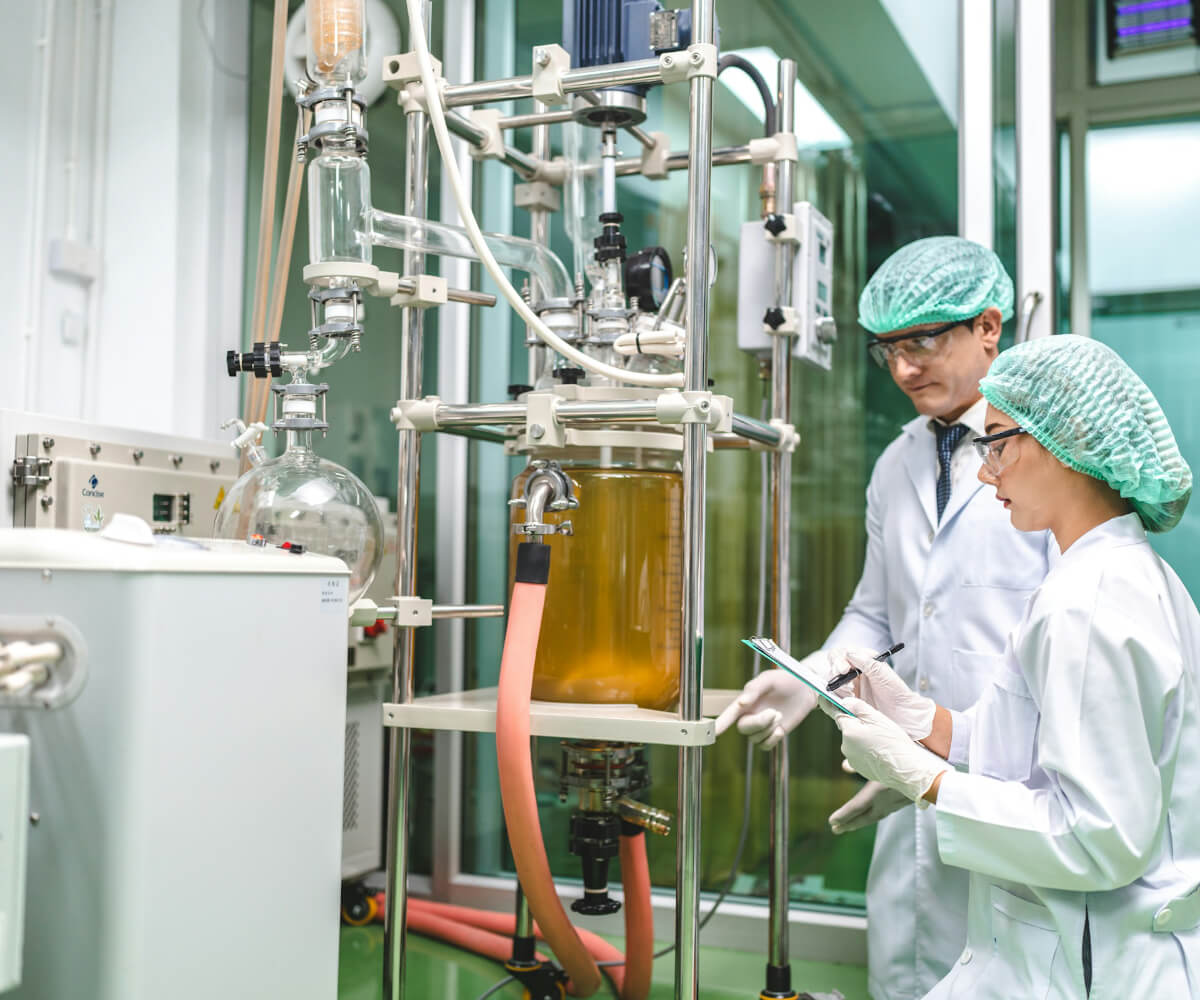
The current Australian Pharmaceutical Formulary also includes dedicated guidance on sterile and hazardous compounding, quality assurance, facilities and equipment.
Maintaining this evidence continuously makes inspections easier to prepare for and helps identify drift between written procedures and actual practice.
HCPA can review your quality systems, identify gaps and help prepare your pharmacy for inspection or reassessment.
Speak with an HCPA compounding pharmacy compliance consultantResponding to a compounding quality issue
Stop the affected activity
Pause the process or preparation in question where continuing could create a patient, product-quality or regulatory risk.
Preserve records and affected stock
Keep batch records, environmental results, equipment data and other evidence intact, and identify any affected preparations that may need to be quarantined.
Investigate the cause and impact
Determine what happened, which batches or patients may be affected and whether recall, notification or other escalation is required.
Complete Corrective And Preventive Action (CAPA) and verify the fix
Address the root cause through corrective and preventive action, then update the relevant procedures, training, equipment or monitoring and confirm that the revised process is working.
Why choose HCPA for compounding pharmacy compliance?
HCPA looks at how pharmacy compounding guidelines translate into the actual environment, documentation and workflows used by the pharmacy.
This can include reviewing compounding procedures, staff competency, environmental controls, risk assessments and corrective actions. Where formal GMP applies, HCPA can also review relevant GMP SOPs and supporting quality records.
businesses supported
consultants
client revenue generated
For pharmacies facing an inspection finding or quality issue, HCPA can also help prioritise remediation and prepare the evidence needed to demonstrate that the underlying problem has been addressed.
Frequently asked questions about compounding pharmacy compliance
What controls are required for premises, equipment, formulations and batch records in a compounding pharmacy?
The controls should reflect the type and complexity of compounding being performed.
Premises and equipment need to be suitable for the preparation, while records should show the formulation, ingredients, quantities, preparation process, staff involved and applicable beyond-use date.
The Pharmacy Board’s pharmacy compounding guidelines and the current Australian Pharmaceutical Formulary provide guidance across simple, complex, sterile and hazardous compounding.
How should a compounding pharmacy investigate and correct a quality issue affecting a compounded medicine?
Start by containing the affected process and determining whether any preparations or patients may be affected.
Preserve the original records, investigate the cause and determine whether quarantine, recall, notification or other action is required. Corrective and preventive action should then address the root cause and confirm that the revised process is effective.
Does every compounding pharmacy need a GMP audit?
No. Formal GMP audit requirements depend on how the pharmacy operates and whether it is relying on a pharmacist manufacturing exemption or requires a TGA manufacturing licence.
The TGA explains that pharmacists may be exempt from manufacturing-licence requirements when the relevant conditions are met, while activities outside those exemptions can require formal GMP compliance.
What should GMP SOPs cover?
Where formal GMP applies, GMP SOPs should reflect the manufacturing activities and risks involved.
This can include materials, formulations, equipment, cleaning, environmental monitoring, batch documentation, deviations, recalls, change control and Corrective and Preventive Action (CAPA).
For exempt community pharmacy compounding, procedures should instead reflect the professional and regulatory requirements applying to the pharmacy’s actual compounding activities.
What should a pharmacy do after an out-of-specification environmental monitoring result?
For sterile compounding, investigate the result and determine whether the preparation environment or any affected medicines may have been compromised.
Document the investigation and corrective action, and do not resume affected activities until the pharmacy is satisfied that appropriate conditions have been restored. Where formal GMP applies, environmental monitoring results should also be reviewed for trends and their potential impact on product quality.
Can a community pharmacy prepare compounded medicines before receiving a prescription?
Generally, no.
The TGA defines anticipatory compounding as preparing medicine before receiving a prescription or specific request from an identified patient and prohibits it outside specified hospital circumstances.
Batch preparation is possible once prescriptions or orders have been received for all medicine being prepared in that batch. The TGA explains the distinction between extemporaneous, anticipatory and batch compounding.
When might a compounding pharmacy need a TGA manufacturing licence?
A pharmacist may be exempt from holding a TGA manufacturing licence where all conditions of the relevant exemption are met. If the pharmacy’s activities fall outside those conditions, a manufacturing licence may be required.
This should be checked before changing the production model, supply arrangements or types of medicine being compounded.
What records should a compounding pharmacy maintain for each preparation?
Records should allow the pharmacy to trace what was prepared, for whom and how.
Depending on the preparation, this can include the prescription or patient request, formulation, ingredients and quantities, preparation process, staff involved, batch information, beyond-use date and relevant quality checks.
For sterile or more complex compounding, additional environmental, equipment and competency records may also be needed.
How should compounding staff competency be maintained?
Staff should remain competent for the compounding activities they perform, with training and assessment reviewed as procedures, equipment or scope change.
Sterile and complex compounding require stronger competency controls than simple compounding, so the pharmacy should follow the applicable Pharmacy Board and APF requirements for its activities.
Related compounding pharmacy resources
Starting a compounding pharmacy
Considering adding or establishing compounding services?
Growing your compounding pharmacy
Ready to increase compounding demand or expand your service range?