
DENTAL PRACTICE COMPLIANCE
Keep your dental practice compliant and accreditation-ready
HCPA helps dental practices maintain infection-control systems, patient records, policies, practitioner requirements and accreditation evidence, and respond when compliance concerns arise.
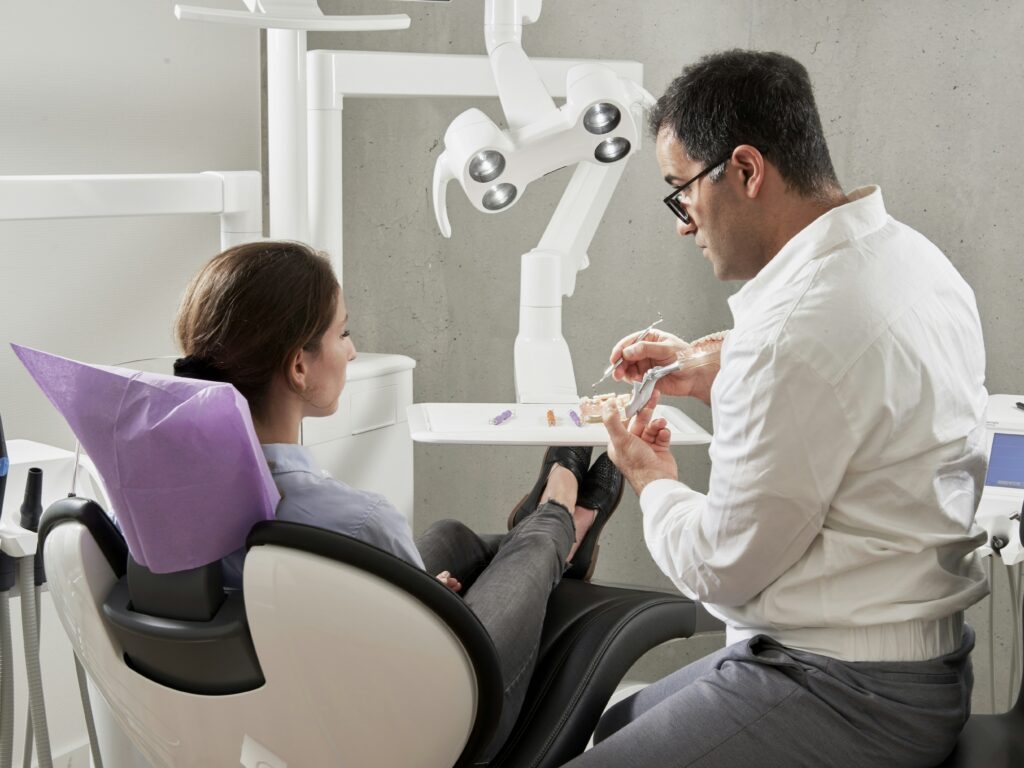
Dental compliance needs to work every day, not only before an assessment or after an incident. Infection prevention, staff training, practitioner registration, equipment controls, and risk management all require ongoing attention while the practice is operating.
When dental clinic compliance needs immediate action
A compliance issue can become urgent when it affects patient safety, staff safety or the practice’s ability to demonstrate that its systems are working as intended.
Infection control or reprocessing concerns
Incomplete sterilisation records, outdated procedures or uncertainty about instrument reprocessing can create immediate patient-safety concerns.
Review the affected equipment, process and records, determine whether treatment has been impacted and address the underlying workflow.
Practitioner registration or insurance has lapsed
Dental practitioners need current registration, insurance and other professional requirements relevant to their role.
Confirm the practitioner’s status, restrict affected activity where necessary and identify why the monitoring process failed.
A workplace incident exposes an unmanaged risk
Sharps injuries, hazardous substances, manual handling, radiation or equipment incidents can reveal a risk that has not been adequately controlled.
Address the immediate safety issue, preserve relevant evidence and check whether the same risk exists elsewhere in the practice.
Advertising or website content raises concerns
Dental advertising can create problems where claims, testimonials, promotions or treatment outcomes do not meet health advertising requirements.
Review the wider website, social media and paid advertising rather than correcting only the individual claim.
Key dental clinic compliance requirements
Dental compliance covers the clinical, operational and professional systems that need to remain current while the practice is operating.
Maintain infection prevention and reprocessing systems
Keep infection-control procedures, equipment processes, staff responsibilities and supporting records current as guidance and practice workflows change.
The ADA’s infection prevention and control resources provide dental-specific guidance for Australian practices.
Keep practitioner requirements current
Practitioner registration, insurance, professional development and scope should be monitored rather than checked only when someone joins the practice.
Manage equipment and clinical risks
Dental practices need ongoing controls around equipment, radiation, sharps, hazardous substances and other risks created by the services they provide.
Review these controls when equipment, procedures or staffing change rather than waiting for an incident.
Maintain reliable records and policies
Policies, clinical records, incident documentation and staff procedures should reflect how the practice actually operates.
The aim is to be able to demonstrate that the system is being followed, not simply that a policy exists.
Keep dental advertising compliant
Websites, social media and paid advertising should accurately represent the practice and its services without creating misleading expectations about treatment or outcomes.
Dental practice accreditation and compliance readiness
The National Safety and Quality Primary and Community Healthcare Standards provide a framework for strengthening safety and quality across primary and community healthcare, including oral health services.
Accreditation readiness means being able to demonstrate that the practice's systems are operating in practice. Useful evidence may include:
infection prevention and reprocessing records
equipment validation and maintenance
practitioner registration and CPD
staff training
risk assessments and incident records
radiation documentation where relevant
insurance and workplace-safety records
policies and quality-improvement activity

Dental practice accreditation is voluntary and undertaken through an independent accreditation provider. Practices may choose accreditation to demonstrate their commitment to recognised standards, strengthen quality and safety systems, and give patients and stakeholders greater confidence in how the practice operates.
HCPA can review the practice before an assessment, identify evidence or workflow gaps and strengthen the systems supporting accreditation readiness.
Speak with an HCPA dental consultantWhat to do when a dental compliance issue is identified
Contain the immediate risk
Address any patient or staff safety issue first and pause affected activity where continuing could create further risk.
Establish what went wrong
Review the records, people, equipment, and process involved to determine whether the problem is isolated or systemic.
Correct the underlying system
Strengthen the workflow, responsibilities, training, or equipment controls rather than treating the issue as a one-off event.
Check the change is working
Document what was corrected, assign responsibility, and confirm that the new process is being followed consistently.
Why choose HCPA for dental clinic compliance?
Dental practices are often owner-operated, which can leave the same dentist balancing clinical care, staff, compliance, and business decisions.
That can make it difficult to step outside day-to-day treatment and identify where infection control, risk management or operational systems have started to drift.
HCPA provides an external view across policies, workforce, infection control and practice operations, helping owners identify what requires attention and prioritise practical corrective action.
businesses supported
industry consultants
billion in client revenue
Frequently asked questions about dental clinic compliance
How can a dental clinic maintain accreditation and demonstrate effective infection-control compliance?
Keep the evidence behind the procedures current, not just the policies themselves.
That can include reprocessing and sterilisation records, equipment maintenance, staff training, risk assessments and evidence that corrective actions have been implemented. The ADA’s infection prevention and control guidance provides dental-specific guidance for Australian practices.
What should a dental practice do after failing accreditation or becoming subject to an Ahpra investigation?
First establish exactly what has been raised and whether there is an immediate patient or practitioner risk.
Preserve the relevant records, identify whether the issue is isolated or systemic, and address the underlying process rather than simply producing additional documentation.
What infection-control and sterilisation records should a dental practice maintain?
Records should reflect the reprocessing systems actually used by the practice.
Depending on the equipment and workflow, this may include sterilisation cycle records, testing, validation, servicing and documentation showing that staff are following the practice’s infection-control procedures.
Does every private dental practice need accreditation?
Not necessarily.
The Australian Commission’s Primary and Community Healthcare Standards can be applied to oral-health services, while formal accreditation may be required or chosen depending on regulatory, funding or contractual arrangements.
What commonly causes compliance gaps in an established dental practice?
Often the problem is not the absence of a policy but a gradual gap between the policy and everyday practice.
Busy clinics can also become reactive, with practitioner checks, risk reviews, training or infection-control systems receiving attention only when something goes wrong.
Should a dental practice review risks even when no incident has occurred?
Yes. Risk management should identify and control hazards before they result in patient harm, staff injury or regulatory attention.
Review risks when equipment, procedures, staffing or the physical environment changes rather than relying only on incident-driven reviews.
What should a dental practice check when infection-control guidance changes?
Review more than the written infection-control manual.
Check whether the change affects equipment validation, reprocessing workflows, staff training, records or the way reusable instruments are handled in practice.
Can a dental practice use patient reviews in its marketing?
Care is required where a review discusses clinical aspects of treatment.
Ahpra’s advertising guidance for regulated health services explains the requirements applying to testimonials and other health advertising controlled by the practice.
Related dental resources
Start a dental clinic
Planning to open or acquire a dental practice?
Maintain dental practice compliance
Need help with accreditation, infection control or an Ahpra concern?